Interview: Dr Rana Babaç Çelebi
Medical historian, clinical aromatherapist, and IFEAT Academy contributor Dr. Rana Babaç Çelebi discusses how primary sources – from Ottoman perfumery to ancient distillation – can guide the future of the fragrance and essential oil trades in traceability, sustainability, and storytelling.

Tell us about your background, your area of specialism within scent and perfumery, and what drives your interest in connecting historical research with today’s fragrance and essential oil industries?
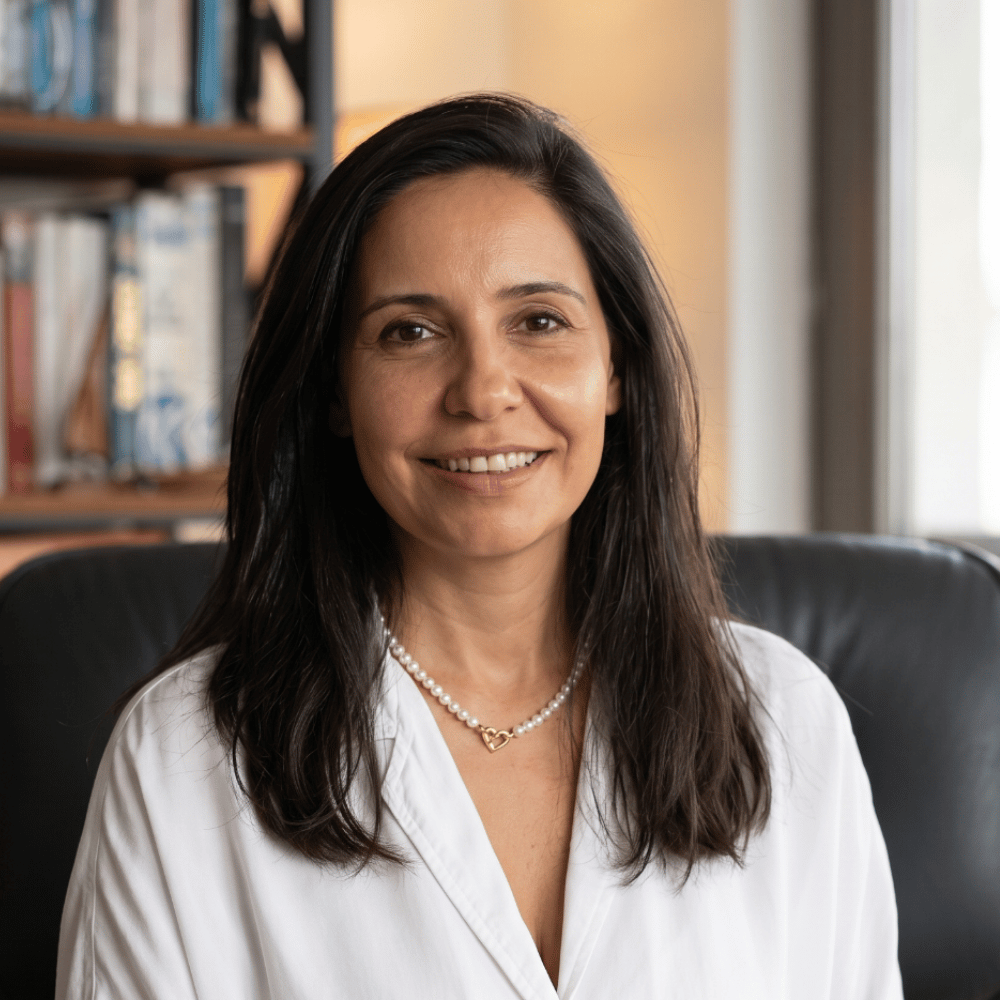
My background sits at the intersection of medical history, clinical aromatherapy, perfumery and the study of medicinal and aromatic plants. I hold a PhD in the history of medicine, and I also cultivate medicinal and aromatic plants in the Kaz Mountains of Turkey, which keeps my work directly connected to soil, seasonality and the living character of raw materials.
I am the founder of CerciYusuf.org – Turkey’s first online library dedicated to medicinal and aromatic plants; and the author of three books to date – two on incense and one on aromatherapy. Through my company, Parfüm Rotaları (Perfume Routes), my work also extends into contemporary fragrance culture. I design luxury sensory experiences that bring together scent, gastronomy, distillation, place and storytelling. I also led the organisation of the first perfume awards in Turkey, in partnership with Marie Claire Türkiye.
My academic work has always been shaped by a very simple but powerful question: how have scent, aromatic plants and distilled materials been used by human beings not only for pleasure, but also for healing, ritual, hygiene, beauty, protection and emotional regulation?
My particular area of specialism is the pharmacological and cultural history of perfume – especially the long continuum between incense, medicinal aromatics, early distillation practices, Ottoman perfumery, and the modern essential oil and fragrance industries. I am interested in perfume not only as a luxury object, but as a carrier of medical, botanical, commercial and emotional knowledge.
What drives my work is the belief that historical research can offer the aroma trades much more than nostalgia. Primary sources – medical manuscripts, recipe books, pharmacopoeias, travel accounts, palace records and early perfumery manuals – often contain highly sophisticated information about raw materials, extraction methods, formulation logic, sensory classification and patterns of use. When read carefully, they can help today’s industry ask better questions about authenticity, sustainability, product storytelling, cultural heritage and innovation.
For me, the past is not a decorative reference. It is a research archive for the future of scent.
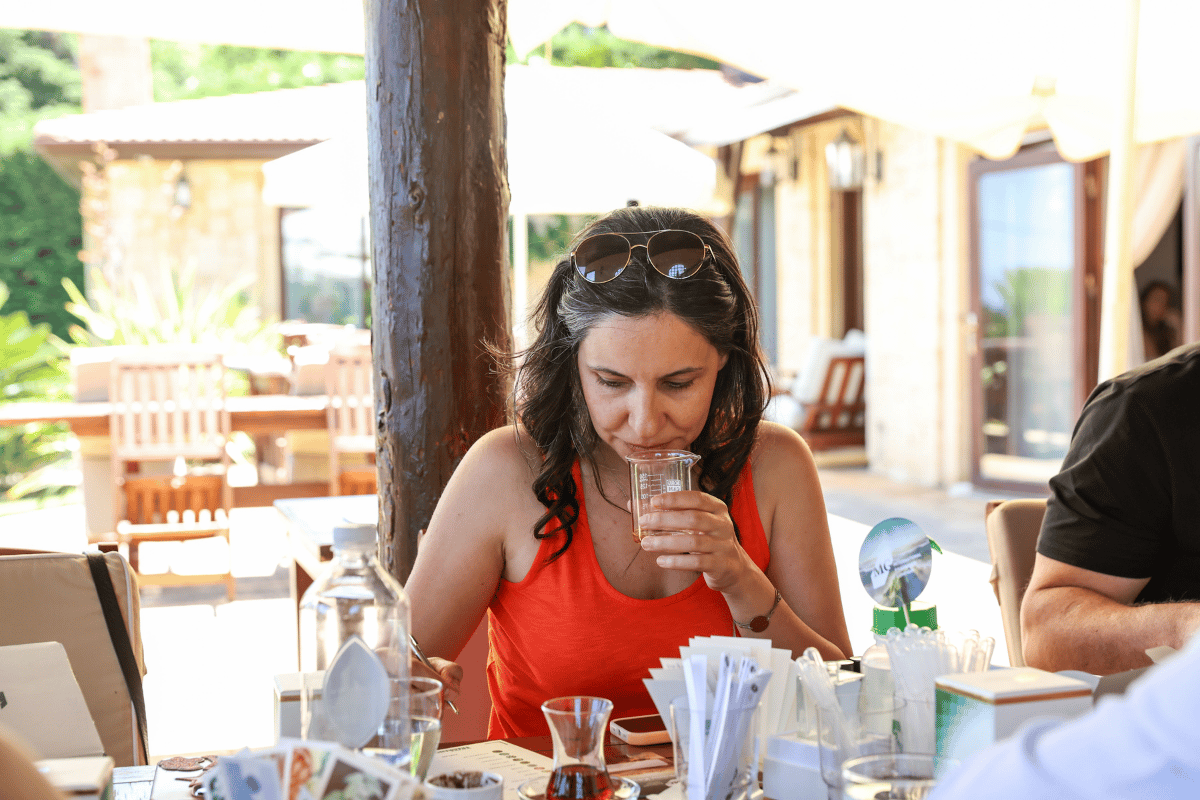
You’re producing two narrated presentations for the IFEAT Academy to include on our online learning platform. How do you approach translating complex historical and technical research into practical insights that businesses in the aroma trades can actually apply?
My approach is to begin with rigorous research, but to translate it through clear narratives, visual structure and practical relevance. Historical and technical material can easily become too dense if it is presented only as chronology or data. I therefore try to build each presentation around a journey: a material, a technology, a formula, a trade route, or a cultural habit that still has meaning for the industry today.
For businesses in the aroma trades, the key is to show why this knowledge matters now. An historical distillation method, for example, is not only a technical curiosity; it can open a discussion about terroir, quality perception, craft positioning, provenance or contemporary consumer desire for authenticity. An Ottoman perfume recipe is not only an archival document; it may reveal a formulation philosophy, an unexpected accord, a forgotten use of a material, or a different way of thinking about scent beyond the modern categories of fine fragrance, flavour, wellness or cosmetics.
In the IFEAT Academy presentations, I aim to make the material useful for different audiences – producers, traders, perfumers, brand owners, educators and product developers. The objective is not simply to say, “this is what happened in the past”, but rather, “this is what the past can help us to understand, reinterpret or apply today.”
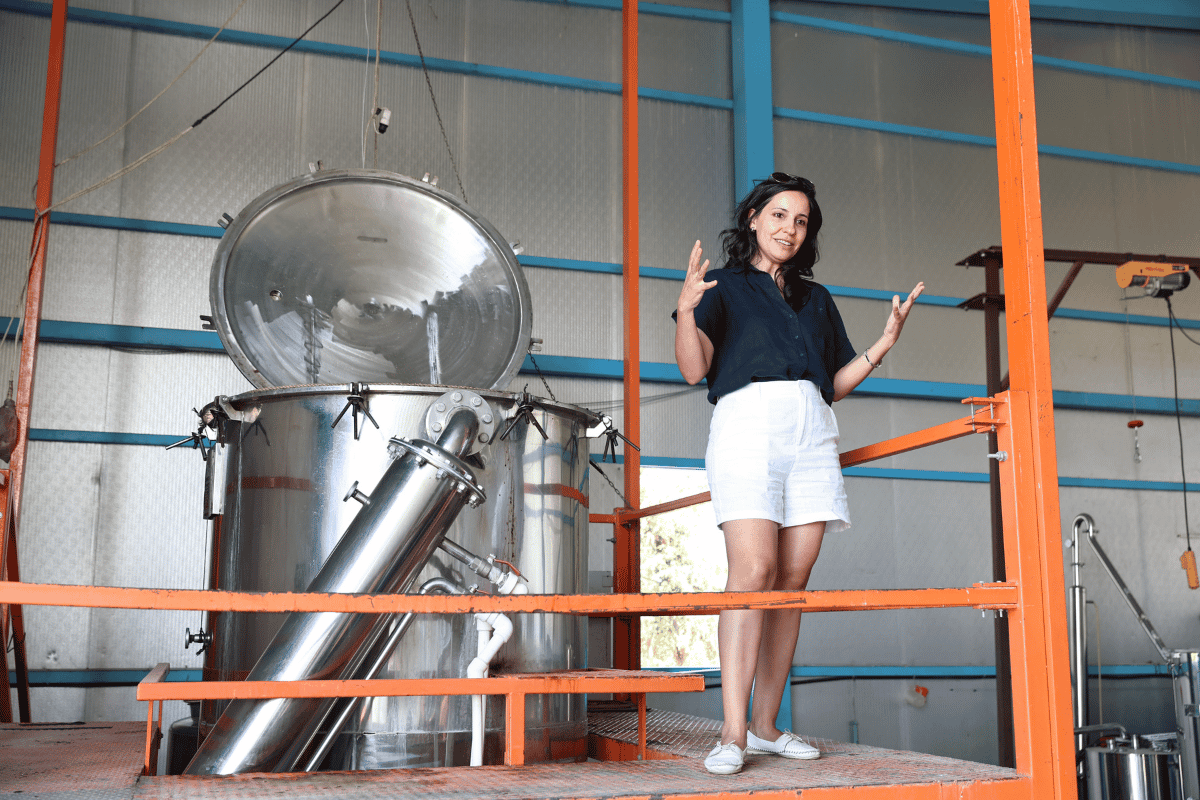
Your upcoming presentation “Alchemy of Scent: from the alembic to today’s essential oil market and key trend directions” traces a fascinating journey from early distillation to modern supply chains. From your research, which emerging trends do you believe will most significantly shape the aroma trades sector over the next 5–10 years?
I believe the next decade will be shaped by a deeper relationship between material, origin and meaning. The essential oil and fragrance sectors are already moving beyond a purely ingredient-based language toward a more complete understanding of provenance: where a material comes from, who produces it, under what ecological conditions, and what cultural knowledge surrounds it.
One major trend will be traceability with emotional depth. Consumers increasingly want transparency, but they also want connection. It will no longer be enough to say that an oil is “natural” or “sustainably sourced.” The market will ask: from which landscape, which harvest, which community, which tradition, and with what responsibility?
A second important direction is regenerative and place-based sourcing. Climate change, biodiversity loss and pressure on agricultural systems will make responsible cultivation and wild-harvesting models essential. Materials that can tell a credible story of landscape restoration, small producer support, circular production or biodiversity protection will gain value – not only ethically, but commercially.
Thirdly, I see a growing demand for multifunctional scent experiences. Consumers are increasingly interested in fragrance as part of wellbeing, ritual, mood, sleep, focus, hospitality, food, drink and immersive environments. This does not mean making exaggerated therapeutic claims. Rather, it means understanding scent as part of embodied experience – something that touches memory, atmosphere, behaviour and emotional perception.
Finally, heritage will become a stronger driver of innovation. The future will not be built only through new molecules or new marketing categories, but also through intelligent reinterpretations of forgotten materials, historical accords, traditional extraction practices and regional aromatic cultures. In this sense, the alembic is not behind us. It is still a powerful symbol of transformation – botanical, technical and cultural.
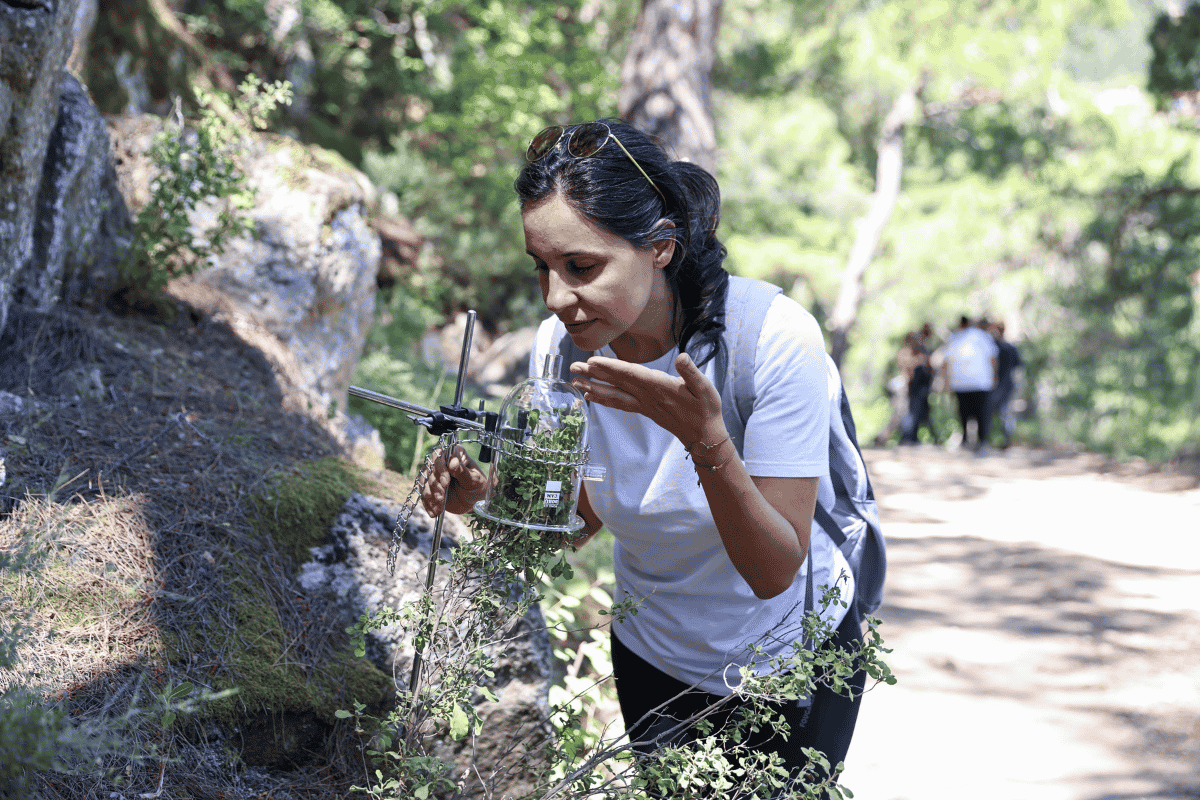
Your second presentation explores Ottoman perfumery through primary sources. What insights have you uncovered about materials, formulation techniques, or scent usage that could inspire or challenge modern perfumers and product developers today?
Ottoman perfumery is a particularly rich field because it does not separate scent from medicine, hospitality, ritual, beauty, hygiene and social refinement. In the primary sources, we see a world in which aromatic materials were used across many dimensions of daily and ceremonial life: rose water, incense, buhur suyu, musks, ambers, balsams, spices, resins, floral waters, aromatic pastes and compound preparations.
One of the most inspiring aspects is the complexity of formulation. Ottoman recipes often combine floral, animalic, resinous, spicy, balsamic and medicinal materials in ways that do not always correspond to modern fragrance families. They invite us to think less in terms of rigid olfactory categories and more in terms of function, texture, temperature, atmosphere and effect.
Another important insight is the role of hydrosols and aromatic waters. Today, hydrosols are often treated as secondary products, but in Ottoman and earlier Islamic traditions, fragrant waters had significant cultural, hygienic, medical and ceremonial value. This could inspire contemporary product development in skincare, hospitality, wellness, home fragrance and ritual-based scent design.
Ottoman perfumery also challenges the modern assumption that perfume is primarily an individual accessory. In many historical contexts, scent was spatial, communal and ceremonial. It perfumed rooms, textiles, bodies, hands, letters, baths, religious spaces and palace rituals. For modern perfumers and brands, this opens a much broader imagination of what fragrance can be: not only something worn, but something lived within.
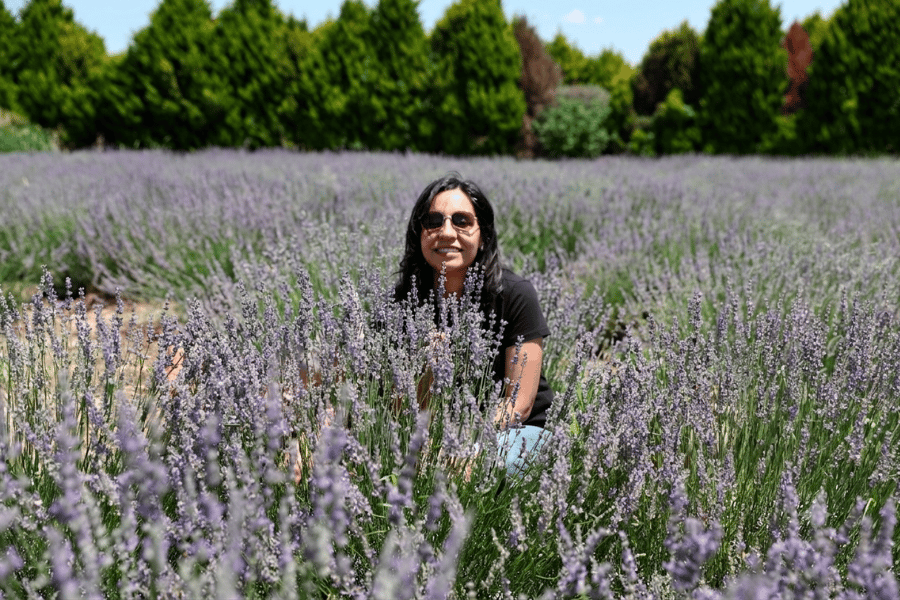
Many in the industry encounter essential oils as finished ingredients, far removed from their origins, but behind them are landscapes, traditions, and communities. Are there particular materials or sourcing stories that you feel deserve to be better understood, or retold?
Yes, absolutely. I think many aromatic materials deserve to be understood not only as commodities, but as cultural landscapes. Rose is one of the clearest examples. It is often reduced to a beautiful floral note or a high-value essential oil, but behind rose there are entire worlds of dawn harvests, women’s labour, regional economies, devotional symbolism, medicine, poetry, distillation traditions and emotional memory.
In Turkey, materials such as Isparta rose, laurel from Hatay, saffron from Safranbolu, oregano and thyme from Anatolia, citrus blossoms from the Mediterranean coast, mastic, pine, fir and regional aromatic herbs all carry stories that are far richer than their INCI names or commercial specifications. They are connected to geography, cuisine, medicine, ritual, migration, local knowledge and seasonal life.
I also believe incense materials deserve to be retold with more nuance. Resins, woods, gums and aromatic smoke have played a central role in medicine and ritual across civilisations, yet they are often discussed only in relation to spirituality or ambience. My own research into incense across traditional medical systems has shown that aromatic smoke was historically understood through a much wider therapeutic, protective and environmental framework.
For the industry, retelling these stories is not simply a branding exercise. It is a way of restoring depth to materials. When a buyer, perfumer or consumer understands the landscape, labour and memory behind an essential oil, the ingredient becomes more than a raw material. It becomes a bridge between nature, culture and human experience.