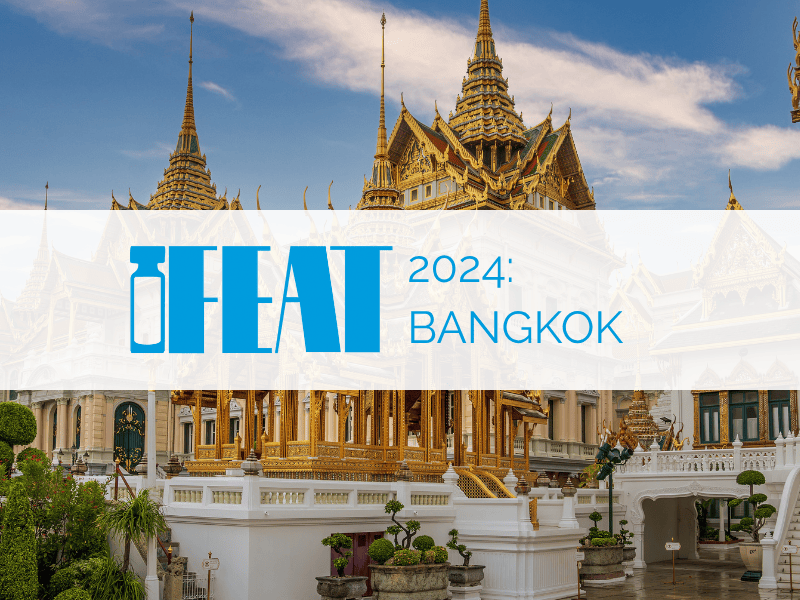

From Sunday 10th to Thursday 14th November, the global essential oils and aroma trades industry convened at Bangkok’s luxurious Marriott Marquis Queen’s Park hotel. As Thailand’s vibrant capital sweltered in 34°C heat and 60% humidity, more than 1,700 delegates from 64 countries made the IFEAT 2024 Bangkok Conference its largest yet.
Sunday night saw the Welcome Reception at the neighbouring EM Yard event space, where a spectacular funfair experience awaited a buzzing and bustling crowd, recently landed from all corners of the globe. A giant ferris wheel served as the focal point of a colourful scene replete with funfair games, food stalls and bars, as excited attendees gathered in anticipation of the coming days. The high production of this year’s Reception set the bar high for what promised to be a Conference of ambitious scale.
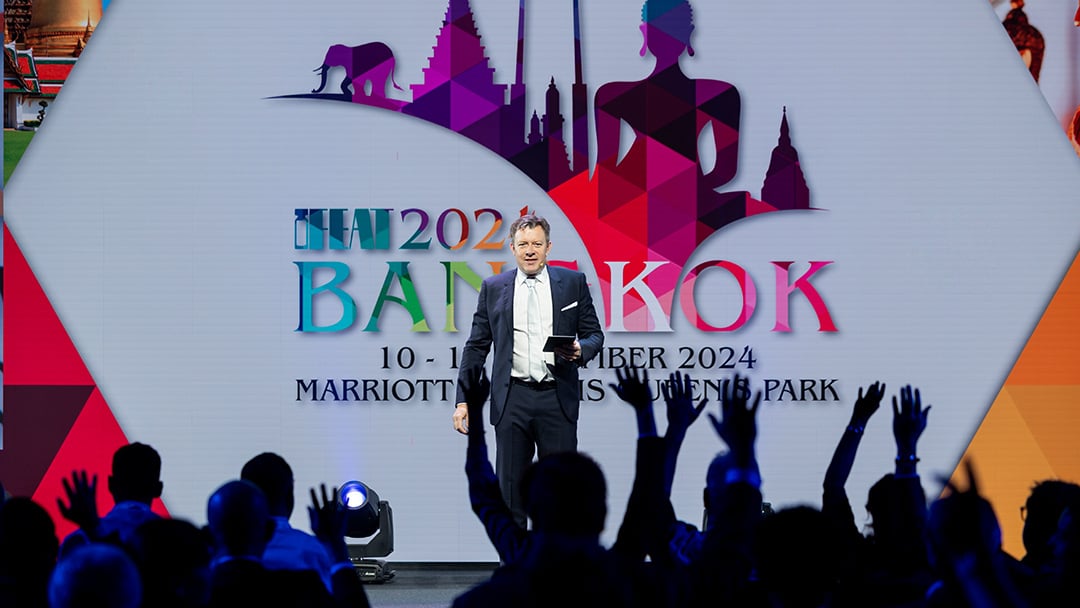
The Conference programme opened the following morning as returning host Ralph Cochrane gave an enthusiastic welcome, acknowledging first-time attendees and returning participants from the 2023 Berlin Conference, while expressing gratitude to the 21 sponsors and 40 speakers and panellists to come. Cochrane also drew attention to the event app and a unique photo service being used for the first time, harnessing AI to identify and send attendees professional photos of themselves from the event to keep and share as they wish.
Co-Chairs set the stage
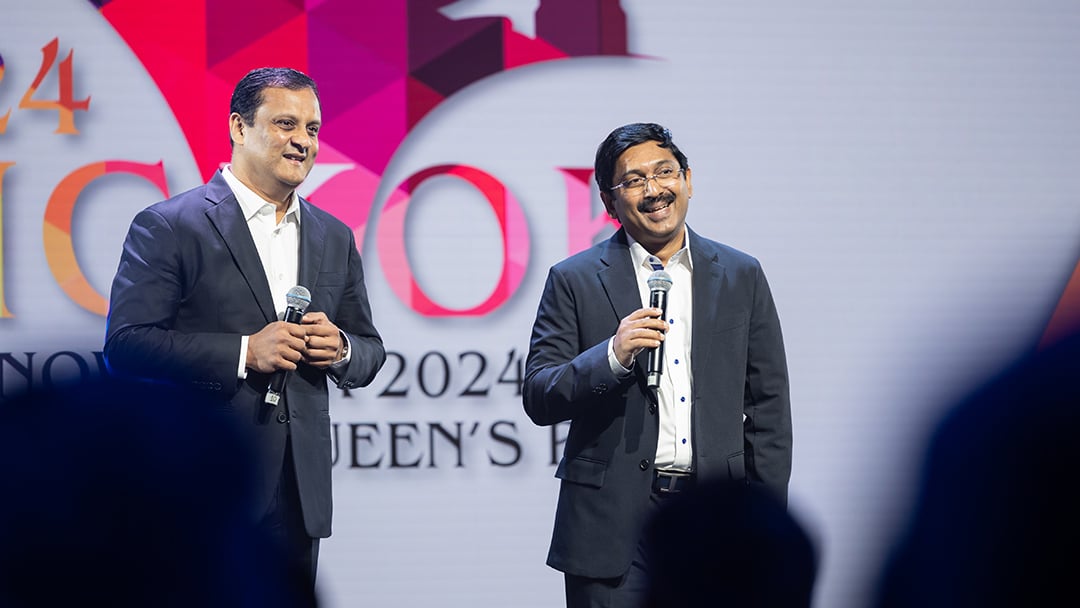
Dr Geemon Korah and John Nechupadom, co-Chairs of the IFEAT 2024 Bangkok Conference Committee, took the stage to elaborate on the conference theme, ‘From Asia to the World’.
They emphasised the shifting landscape of the essential oils and aroma industry, with Asia’s growing power in manufacturing, consumption, and economic influence. The co-Chairs highlighted the impressive scale of the Conference, the coming post-Conference tour, and the introduction of new networking opportunities such as the Young IFEATians event and IFEAT by Night poolside parties. They even revealed that delegates could recharge throughout the busy Conference with a free massage.
Beyond the Conference itself, the co-Chairs underscored IFEAT’s year-round efforts, highlighting its scientific platform, advocacy, education, and socio-economic initiatives, and encouraging attendees to engage with the IFEAT Secretariat and fellow participants throughout the year.
Keynote: a journey through Asia’s influence

Kedar Vaze, a master perfumer and Group CEO of Keva, delivered the keynote presentation, taking the audience on a journey through Asia’s historical and modern influence on the perfumery industry.
He began by tracing the rich heritage of essential oil use in Asia, from India’s Ayurveda to traditional Chinese medicine, emphasising therapeutic properties alongside fragrance. He then charted the evolution of modern perfumery, from its European origins using essential oils to the introduction of synthetic aroma chemicals and the rise of biotechnology.
Vaze highlighted Asia’s emergence as a major hub for aroma chemical production, driven by factors like abundant labour and advanced infrastructure. He presented a case study on geranium oil production in India, demonstrating how tissue culture technology can standardise natural ingredients and offset geographical variations.
The address delved into the challenges and opportunities facing the industry. Vaze discussed the inherent variability of natural ingredients, the need for better testing and standardisation, and the impact of geopolitical and regulatory factors on availability.
He also touched on the potential of biotechnology in producing precursor molecules, and the limitations of biosynthesis in replicating the complete profile of essential oils. Vaze expressed concerns about the EU’s hazard-based approach to regulating complex natural substances, arguing for a risk-based assessment instead. He urged Asian countries to lead the way in crafting regulations based on their long history of traditional natural use. On synthetic aroma chemicals, Vaze acknowledged the regulatory pressures driving innovation, particularly in allergen-free and non-CMR (carcinogenic, mutagenic, or toxic for reproduction) fragrance compounds. He encouraged the industry to advocate for a risk-based approach and to seize opportunities for designing safer molecules using green chemistry and AI-assisted tools.
Vaze concluded by emphasising the growing consumer demand for natural, organic, and sustainable ingredients, highlighting the importance of ethical sourcing, environmental responsibility, and fair practices. He also discussed the role of technology in transforming the fragrance industry, from improved extraction techniques to biotechnology solutions. Vaze pointed to the rising trend of dual-use aroma molecules with therapeutic benefits and the increasing focus on renewability and carbon footprint. He expressed optimism for the industry’s future, particularly in Asia and Africa, with their large consumer base and traditional links to aroma.
Economic outlook
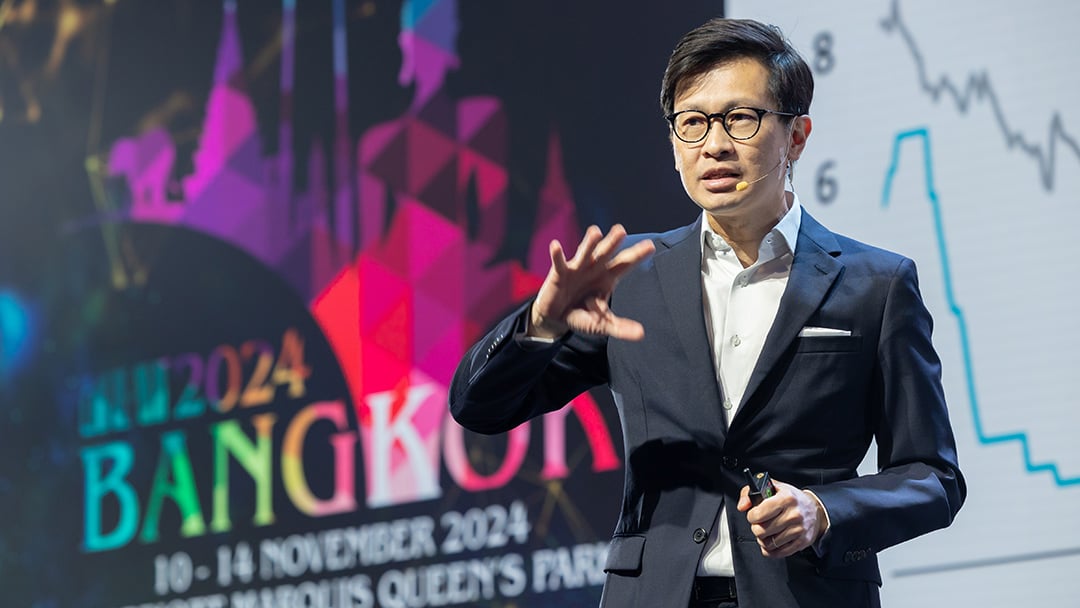
Next, Kelvin Tay, Chief Investment Officer of UBS Global Wealth Management, provided a detailed analysis of the global economic landscape, focusing on the challenges and opportunities for Asia, as well as the impact of the recent US elections.
Tay discussed the US economy’s current strength, with low unemployment and decreasing inflation, but also highlighted signs of weakness in commercial real estate and rising credit card delinquency rates. He predicted continued growth in the US equities market, driven by rate cuts and a shortage of equity supply.
However, he also noted the disconnect between the strong economic data and public sentiment, citing concerns about home affordability, immigration, and inflation as key factors influencing the election results. Tay analysed the potential impact of the new US administration’s policies, including deregulation of the financial industry, increased tariffs, and a shift in the financing burden of the Russia-Ukraine war towards Europe. He expressed concerns about the sustainability of the US dollar’s overvaluation, given the high fiscal deficits and rising debt levels.
Tay discussed the challenges facing emerging markets and Asia, particularly in the context of potential trade escalations and increased tariffs. He highlighted Vietnam’s vulnerability due to its high trade deficit with the US, while noting China’s resilience and its growing dominance in sectors such as electric vehicles and consumer electronics. Tay also discussed the Chinese economy’s current slowdown, emphasising the need for further government stimulus to address the housing market slump and high unemployment rates. He expressed optimism about India’s long-term growth potential, but also acknowledged the constraints posed by political complexities and recent excessive monsoon rains.
Next, Kelvin Tay, Chief Investment Officer of UBS Global Wealth Management, provided a detailed analysis of the global economic landscape, focusing on the challenges and opportunities for Asia, as well as the impact of the recent US elections.
Tay discussed the US economy’s current strength, with low unemployment and decreasing inflation, but also highlighted signs of weakness in commercial real estate and rising credit card delinquency rates. He predicted continued growth in the US equities market, driven by rate cuts and a shortage of equity supply.
However, he also noted the disconnect between the strong economic data and public sentiment, citing concerns about home affordability, immigration, and inflation as key factors influencing the election results. Tay analysed the potential impact of the new US administration’s policies, including deregulation of the financial industry, increased tariffs, and a shift in the financing burden of the Russia-Ukraine war towards Europe. He expressed concerns about the sustainability of the US dollar’s overvaluation, given the high fiscal deficits and rising debt levels.
Tay discussed the challenges facing emerging markets and Asia, particularly in the context of potential trade escalations and increased tariffs. He highlighted Vietnam’s vulnerability due to its high trade deficit with the US, while noting China’s resilience and its growing dominance in sectors such as electric vehicles and consumer electronics. Tay also discussed the Chinese economy’s current slowdown, emphasising the need for further government stimulus to address the housing market slump and high unemployment rates. He expressed optimism about India’s long-term growth potential, but also acknowledged the constraints posed by political complexities and recent excessive monsoon rains.
Addressing global concerns
Tay’s presentation was followed by a Q&A session, where he fielded questions on a range of global economic concerns. He discussed the potential for currencies like the Indian rupee and Chinese yuan to challenge the US dollar’s dominance, particularly in the context of central bank digital currencies (CBDCs). He analysed the economic and political consequences of increasing natural disasters and the need for government intervention to mitigate climate change’s effects. Tay also explained why degrowth is not a feasible option for most Asian economies at their current stage of development and discussed the potential for continued growth in India, while acknowledging the challenges posed by political complexities and the need for further economic reforms.
AGM and Business Session
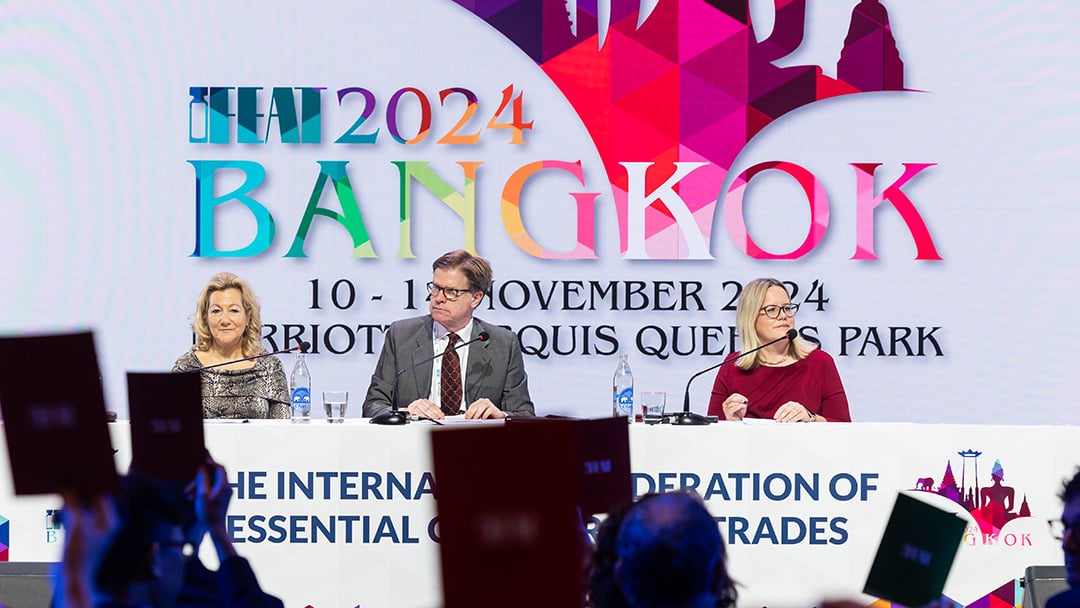
The IFEAT 2024 Annual General Meeting and Business Session marked a year of significant growth, impactful initiatives, and continued dedication to the essential
oils and fragrance industry. IFEAT President Ramon Bordas chaired the formal proceedings, guiding members through a productive agenda.
The meeting commenced with the adoption of the Executive Committee’s report and accounts for 2023. The reappointment of Menzies LLP as auditors for the coming year, with remuneration to be fixed by the Executive Committee, was also unanimously approved.
Elections of IFEAT Directors to the Executive Committee saw Robby Gunawan of Indesso Aroma, Indonesia, and John Cavallo of Thornhill Consulting, USA, join the Committee. Susumu Tominaga was re-elected, though he was unable to attend due to health reasons, and the assembly wished him a speedy recovery. The meeting also acknowledged the retirement of Michael Torre from the Executive Committee after 15 years of dedicated service. His contributions, particularly as Chair of the Education Committee and later the Membership Committee, were lauded, with special mention of his work on educational courses, new member initiatives, and support for the IFEAT staff.
Mr Bordas then confirmed the current elected Executive Committee members, highlighting the diverse global representation and expressing gratitude for their unwavering commitment. He also paid tribute to two founding members of IFEAT, Richard C Pisano and Jose Luis Adrian, who had recently passed away. Pisano’s vision in transforming Citrus and Allied Essential Oils, his service on industry boards, and his long-standing involvement with IFEAT were remembered with respect. Adrian’s role in IFEAT’s foundation, his leadership as Chairman, and his contributions to the Federation’s growth were also commemorated.
Following the AGM, Catherine Crowley, Chair of the IFEAT Executive Committee, presented a comprehensive review of the Federation’s activities in 2023. She emphasised IFEAT’s continued growth, with 60 new members joining, bringing the total to 672 companies.
The Berlin Conference, held in October 2023, proved to be the largest IFEAT Conference to date, with over 1,600 attendees. Its theme, “Trade, Tradition, Modern Spirit”, resonated with delegates, and the programme featured insightful speakers, including a member of the European Parliament, Maria Spyraki MEP, who addressed regulatory developments in the EU. The Conference also saw Matthias Vey receive the Medal Lecture and Klaus-Dieter Protzen awarded the Founder’s Award. Crowley commended the Conference Organising Committee, led by Jens-Achim Protzen, and the IFEAT staff.
IFEAT’s commitment to education was evident in its support for existing programmes and the development of new initiatives. The acquisition of ICATS (International Centre for Aroma Trade Studies) in early 2023 has enabled IFEAT to enhance online learning opportunities and expand its educational reach through collaborations with universities and institutions.
Advocacy work remains a priority, with IFEAT actively engaged in addressing legislation that could negatively impact the essential oils industry. The focus is on the revision of the CLP (Classification, Labelling and Packaging of chemicals) regulation, ensuring a derogation for essential oils – the “Protect Essentials” campaign raised public awareness of these issues. IFEAT also worked diligently to address the proposed reclassification of tea tree oil by the European Chemicals Agency Risk Assessment Committee (ECHA RAC).
The IFEAT-EFEO scientific platform plays a crucial role in compiling scientific data to support the safety of essential oils. The Federation’s scientific endeavours also included the Plant Protection Products (PPP) pilot project, which investigated agricultural residues in essential oils. Initial findings were presented at the Bangkok Conference, with a full report due in 2025. IFEAT continues to support the work of RIFM (Research Institute for Fragrance Materials) in safety evaluation and participates in the G4 Heads of Associations group to ensure global coordination on industry concerns.
Ms Crowley concluded her report by thanking the Executive Committee, staff, consultants, and Members for their contributions. She highlighted the dedication and volunteer spirit of the Executive Committee. “It’s an exciting time, and I feel very fortunate to be involved and help steer the work of IFEAT”, she said. “We have great colleagues – I think it’s part of the reason why people are willing to put in what they do – because the Executive Committee is an amazing group of people; inspiring, supporting each other, and really helping to do everything possible to help grow and support the industry”.
Education Update
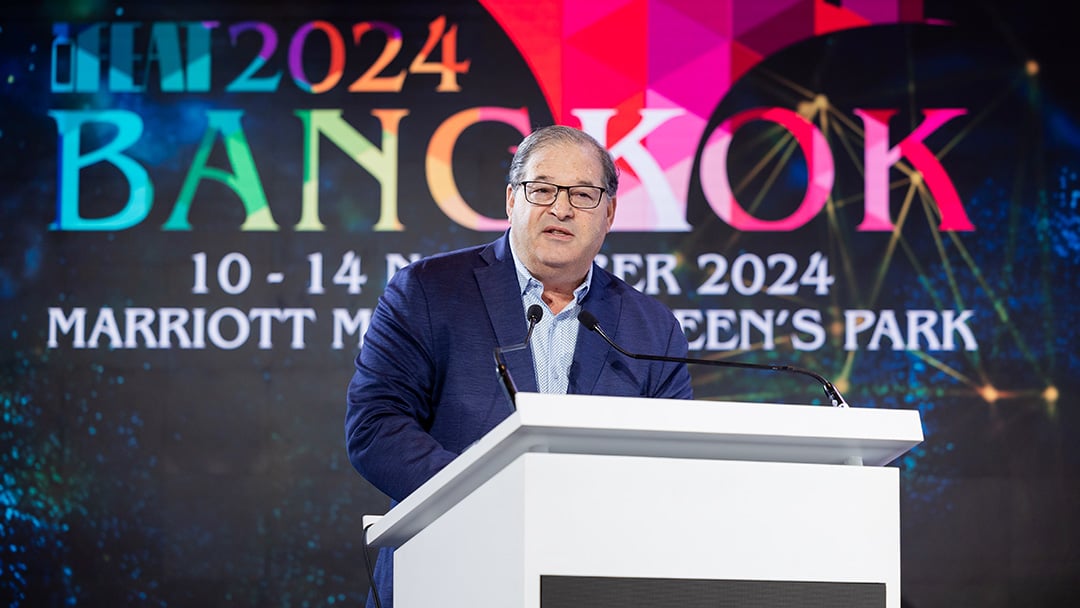
The Education Update session effectively showcased IFEAT’s dedication to nurturing future leaders in the flavour and fragrance industry through its support of innovative educational programmes.
Alan Brown, Chair of IFEAT’s Education Committee, delivered a comprehensive report on ICATS (International Centre for Aroma Trade Studies), highlighting the comprehensive curriculum rewrite undertaken by Lindsay Smith and Claire Langman, focusing on clarity, relevance to industry, and accessibility.
Since its September relaunch, ICATS has witnessed a surge in interest and positive feedback, solidifying its position as a leading global platform for aroma trades education. Brown stressed ICATS’ accessibility, noting the diverse geographic distribution of its students, spanning continents from Europe, the Americas, Asia and Africa.
A key moment of the session was the recognition of Raymond Chan from CPL Aromas as the ICATS medal winner. Chan, a quality control technician, was lauded for his outstanding dissertation on sustainable innovations and strategies within the fragrance industry and their socio-economic impacts. Brown quoted external examiner David Harwood, who praised Chan’s work as an “MBA-style dissertation” that effectively covered the complexities of transitioning towards a more sustainable and commercially viable industry.
Brown also detailed ICATS’ active engagement within the industry, highlighting its attendance at key events such as IFEAT 2023 in Berlin, and – all in 2024 – SIMPPAR in Grasse, the World Perfumery Congress in Geneva, and Flavorcon in Atlantic City. These events provided ICATS with invaluable insights into global trends, regulatory changes, sustainable practices, and emerging technologies, all of which are integrated into the programme’s curriculum. Brown emphasised the importance of networking and collaboration, noting the valuable connections made at these events, which contribute to the development of fresh and relevant material for the ICATS programme.
The ICATS relaunch in September 2024 introduced a new e-learning platform, offering video lectures, podcasts, and access to an extensive e-library. This flexible format allows students to pursue the full diploma programme or select individual modules based on their career goals. Brown announced the upcoming launch of Expert Master Classes – online professional development units delivered by industry professionals – and a “Lunchtime Series” featuring concise presentations on trending topics. These initiatives further demonstrate ICATS’ commitment to providing accessible and cutting-edge education. Brown concluded his report by encouraging attendees to take advantage of a special delegate course sale.

Following the ICATS report, Nthabiseng Letlalo, an R&D and flavour creation technologist from Cranbrook Flavours in South Africa, shared her experience as the 2024 IFEAT Best Student Award winner from the University of Reading Flavourist course. Letlalo proudly showcased her Ndebele attire, explaining its significance as a representation of her heritage and her father’s advice to “Go out there into the world and represent where you’re coming from”.
Letlalo described the three-week programme, sponsored by IFEAT in partnership with the University of Reading and the British Society of Flavourists, highlighting its focus on practical sessions, seminars, and lectures led by industry experts and university faculty members. She emphasised the course’s coverage of flavour compound evaluation, formulation, reaction flavours, flavour chemistry, and legislation. The programme also included valuable experiences such as a field trip to Lionel Hitchen and a wine tasting session.
She expressed her appreciation for the hands-on learning opportunities, explaining how she applied her knowledge to create two flavours: a lime tartlet in a yogurt application and a peach apricot fizz in a carbonated soft drink. She noted the course’s global reach, with participants from diverse backgrounds and countries, fostering valuable networking opportunities. Letlalo concluded her presentation by expressing her gratitude for the experience and recommending the course to anyone seeking to expand their knowledge and skills in flavour creation.
Innovation in the flavour and fragrance industry
Rewilding Asia: The Emergence of Wild-Harvested Ingredients
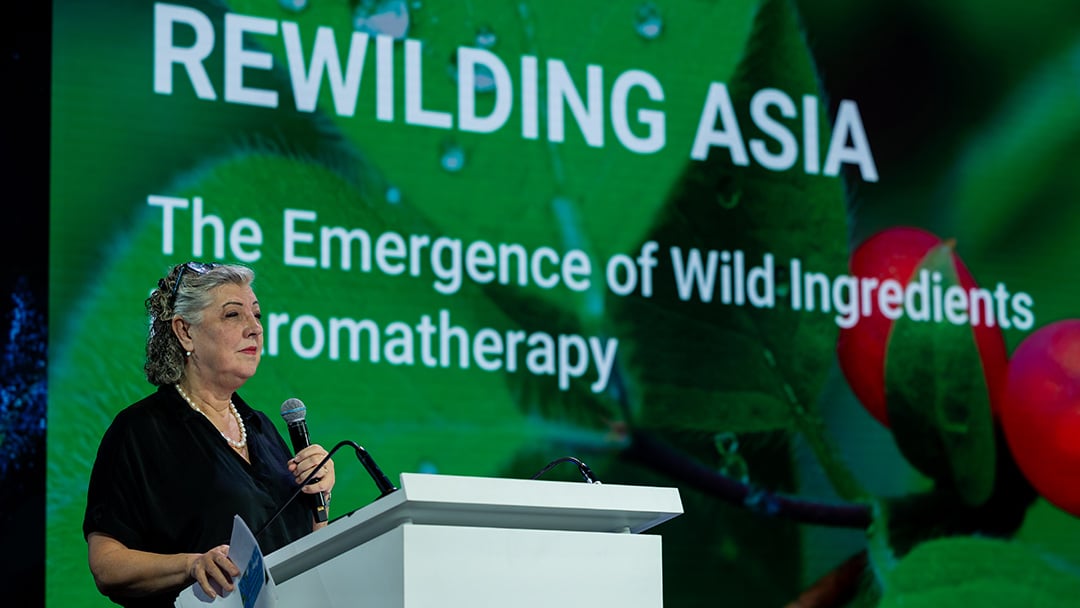
Deborah Vorhies, CEO of FairWild Foundation, delivered an insightful presentation on the increasing importance of wild-harvested ingredients in the aromatherapy market. She emphasised the growing consumer preference for natural and sustainable products, noting that “the demand for wild ingredients has surged over the last decades, and we expect this to continue”. This trend is driven by a desire for high-quality ingredients with a positive environmental impact, aligning with consumer values of responsibility and planetary stewardship.
Vorhies highlighted the diverse range of wild-harvested ingredients used in aromatherapy, including iconic botanicals like frankincense, myrrh, and sandalwood. She stressed the importance of sustainable harvesting practices to protect these valuable resources and the communities that depend on them. “When we harvest sustainably, we’re protecting that species,” Vorhies noted, underscoring the need for responsible sourcing that ensures both ecological and social wellbeing.
The FairWild certification programme, she explained, plays a crucial role in promoting sustainable harvesting practices. By providing a framework for transparency and traceability, it ensures that wild-harvested ingredients are sourced ethically and contribute to the long-term health of ecosystems and communities.
Mass Balance: A Sustainable Solution for the F&F Industry
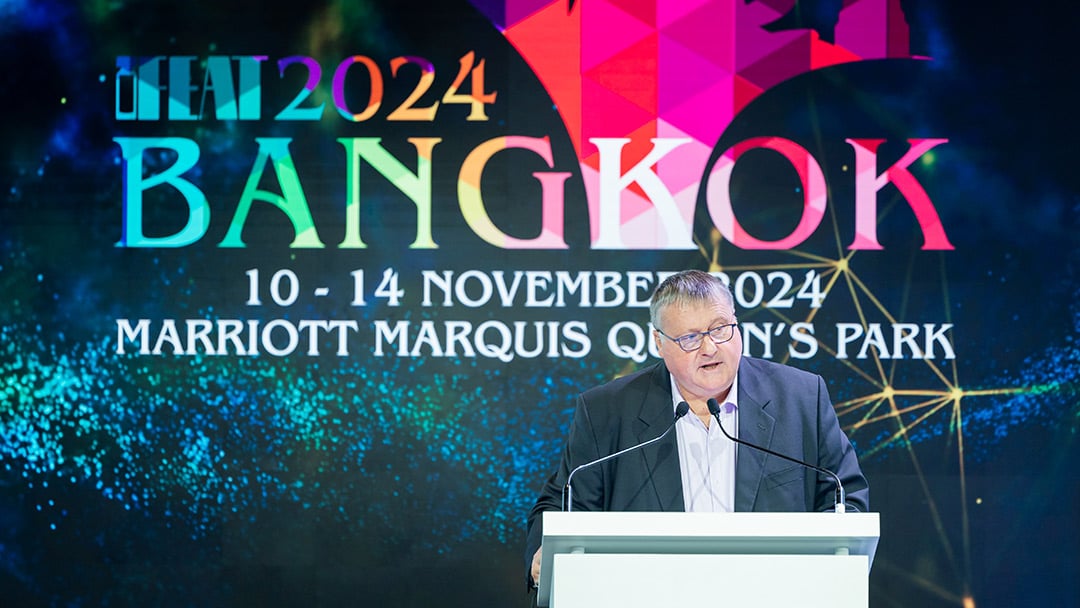
Thibau Caulier, from Syensqo, Belgium, introduced the concept of “mass balance” as a sustainable and cost-effective solution for incorporating renewable materials into fragrance production. “Mass balance is a model that allows you to reach your goals while minimising the cost,” Caulier explained. This innovative approach involves blending bio-based and traditional materials while meticulously tracking their proportions through bookkeeping. This enables companies to gradually increase their use of renewable resources without substantial capital investment, making sustainability more accessible and scalable.
Caulier provided a detailed explanation of the mass balance methodology, highlighting its benefits in terms of carbon footprint reduction, quality assurance, and traceability. He emphasised the importance of third-party certification, such as ISCC PLUS, to ensure transparency and build consumer trust in mass balance systems. By adopting this approach, the F&F industry can contribute to a more circular economy while meeting the growing demand for sustainable products.
AI: The New Frontier in Flavours and Fragrances
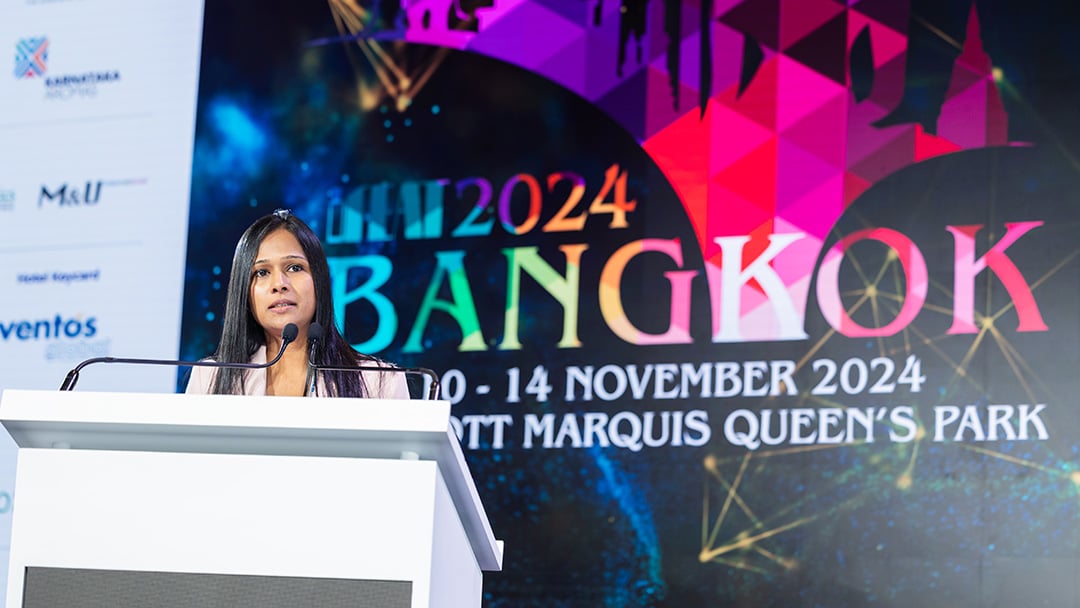
Mia Kynadi, co-founder of Venture Factory.ai, gave a compelling presentation on the transformative potential of artificial intelligence (AI) in the F&F industry. “AI is the new electricity,” Kynadi proclaimed, pointing to its capacity to revolutionise various aspects of the value chain, from research and development to marketing and customer relations. AI, she said, can and will accelerate the discovery of new materials, optimise agricultural practices, enhance decision-making processes, and personalise consumer experiences.
Kynadi provided specific examples of AI applications in the F&F industry, including the use of AI-powered tools to predict novel fragrance molecules and optimise resource allocation in agriculture. She also discussed the potential of AI to enhance customer engagement through personalised recommendations and 24/7 support. Kynadi emphasised the importance of data readiness for successful AI implementation, stating that “getting your data in order is the first step.” Her talk made clear that by embracing AI the F&F industry can unlock new levels of efficiency, innovation, and customer satisfaction.
The Medal Lecture: Indonesian Essential Oil

Robby Gunawan’s Medal Lecture provided a comprehensive and passionate overview of Indonesia’s essential oil industry, highlighting its rich heritage and future trajectory.
Robby Gunawan, the 2024 IFEAT Medal Lecturer, began by describing Indonesia’s unique natural characteristics, stating, “Indonesia is the world’s largest archipelago with 17,000 islands – we boast a vibrant ecosystem that is home to some of the richest biodiversity. From tropical rainforests to volcanic soils, Indonesia is a haven for lots of plant species, many of which are an integral part of the essential oil industry.” This foundation of biodiversity, he explained, is the bedrock of the nation’s essential oil production.
Gunawan’s lecture focused on the delicate balance between tradition and innovation. He articulated the industry’s core mission: “To ensure stakeholder wellbeing, biodiversity conservation and ethical trade practices.” He envisioned Indonesia as a leader in value-added, natural-based products, emphasising that “our approach is not just about growth, but about development and harmony with nature”.
He then delved into the industry’s complex value chain, highlighting the crucial role of farmers and distillers. “The farmers are the first actors of the value chain. And currently there are about 200,000 farmers in Indonesia that provide raw materials for Indonesian essential oil production,” he noted, making clear the industry’s significant socio-economic impact. He further stated, “If you look at the whole supply chain […] this is an industry that gives a unique multiplier effect to a large number of people. And this is something that IFEAT, as well as the whole essential oil industry, should be proud of.”
The establishment of DAI (the Indonesian Essential Oil Council) was a pivotal moment. “The idea of the DAI is to unite all the stakeholders across the value chain, from farmers to distillers to researchers, government organisations, as well as the users of the essential oil,” Gunawan explained, underscoring its role in fostering collaboration and growth.
Patchouli oil, a cornerstone of Indonesia’s essential oil exports, was a key focus. Gunawan acknowledged the recent challenges, saying, “I’m sure this year has been the toughest year to secure this product due to the drop in production in the last two years, related to climate conditions, as well as competing commodities, and many other factors.” However, he also highlighted the growing prominence of citronella oil.
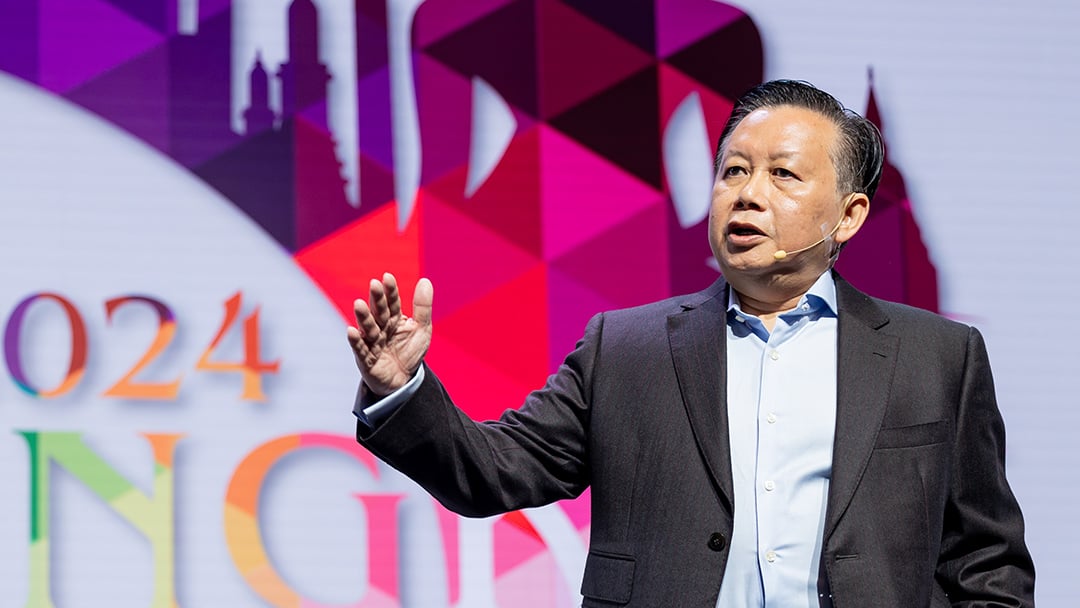
Sustainability was the lecture’s overarching theme. “We understand that the essential oil comes from nature and we must be responsible toward the environment,” Gunawan said. He outlined key initiatives, including life cycle assessments and upcycling clove leaf byproducts. “This upcycling process transforms what might otherwise be considered as a waste material into a high-value-added product, ensuring that every part of the clove leaf is utilised.”
Regarding the need for industry-wide action, he said, “We need a stronger collaboration between users and buyers of this product as well as suppliers of this product. We need to leverage the demand for sustainable products. I believe very much that it is a big effort, but if we work together, we can do that.”
He also discussed the circular economy approach to citronella production and the importance of responsible patchouli sourcing. He expressed a desire for a unified approach to sustainable patchouli production. “We want to have a multi-stakeholder, relatively open programme where we can share the best practice in agriculture and in distillation, so that a larger percentage of the supply chain is impacted by this programme,” he said.
Gunawan concluded by stressing the importance of agroforestry and the industry’s commitment to sustainability. “By working together from the farmer, distiller, all the manufacturers, researchers, and international partners, we can ensure that Indonesia will remain a global key player in the essential oil industry, providing sustainable products that benefit both the people and the planet.”
Spotlight on Sustainability
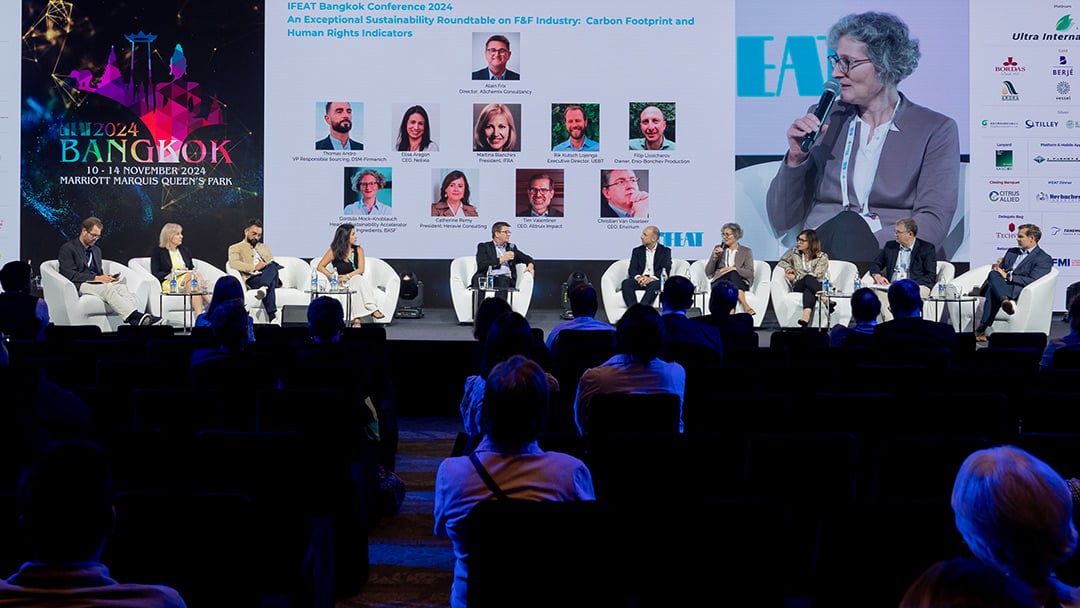
Bangkok served as a vibrant platform for discussions on sustainability, highlighting the multifaceted nature of this critical issue for the industry. The Conference showcased a diverse range of perspectives, from navigating the complex regulatory landscape to exploring innovative approaches to sustainable sourcing and production.
The centrepiece of the sustainability session was a roundtable discussion that brought together a diverse panel of experts to delve deeper into the complexities of carbon footprint and human rights.
Regulatory frameworks and industry initiatives
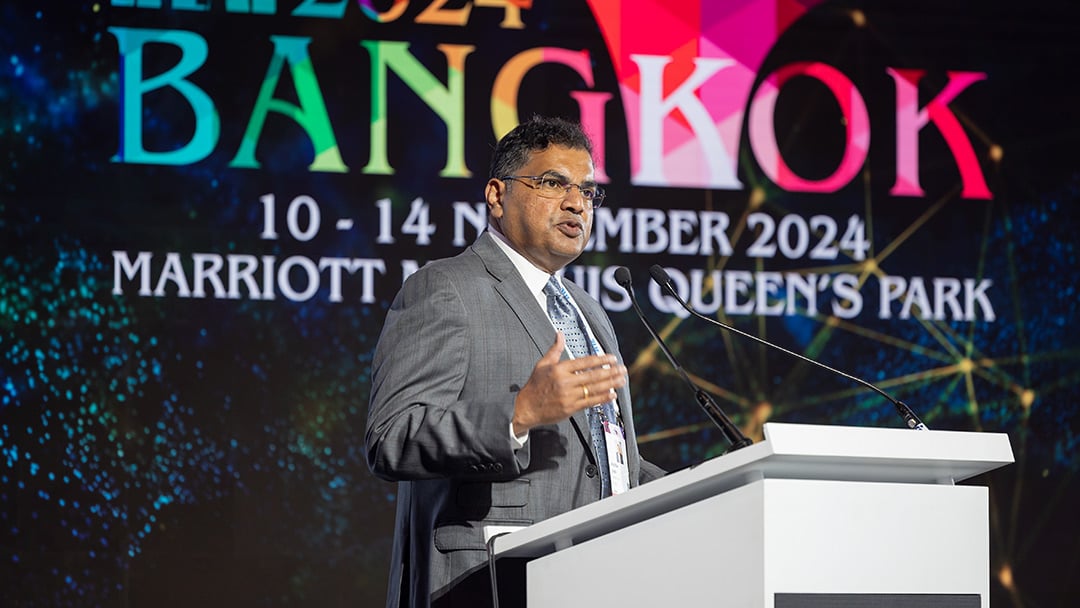
Tuesday’s sustainability session commenced with Rajesh Nair, a partner at EY, providing a comprehensive overview of the evolving regulatory landscape. He noted the growing emphasis on sustainability across industries, driven by concerns around climate change, economic resilience, and brand reputation. “Wall Street directs what Main Street does”, Nair remarked, highlighting the influence of green funds and ESG ratings in shaping corporate behaviour. He stressed the need for companies to go beyond mere compliance and embed sustainability into their core processes, urging them to “dissect your processes, multi-layer wise”, to understand their full environmental and social impact.
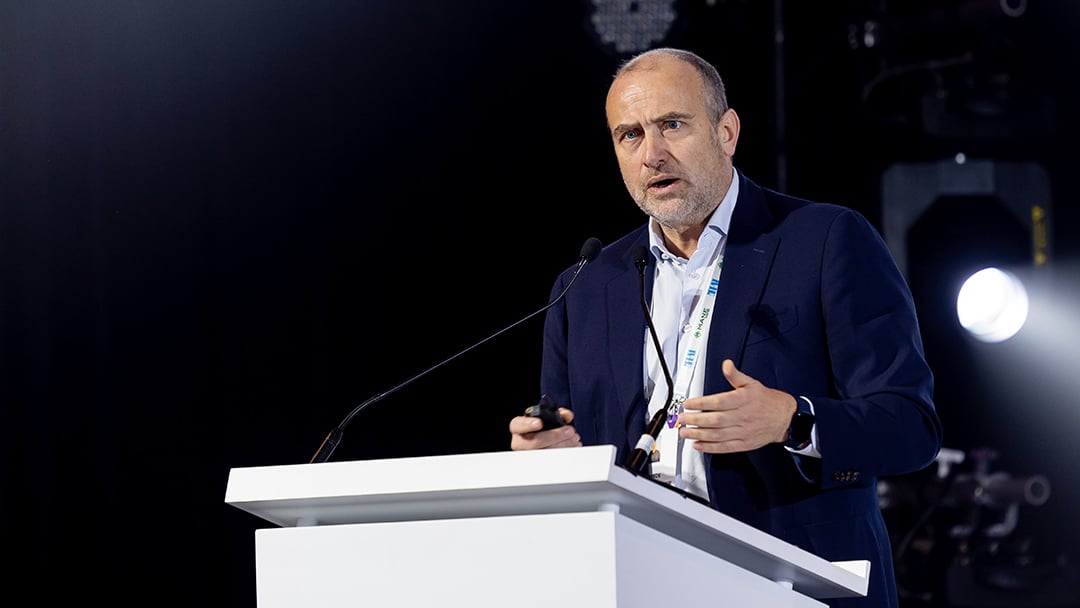
Following Nair, Sven Ballschmiede, representing IOFI, continued the discussion by focusing on the role of various actors – governments, the private sector, and civil society – in the sustainability transition. He highlighted the proactive stance of the F&F sector, particularly in response to the EU’s Green Deal and its associated regulations, such as the CS3D directive, the CSRD reporting directive, and the EU Deforestation Regulation. Ballschmiede spoke of the need for value chain coordination, raising awareness, and cooperation among stakeholders to effectively navigate these regulatory changes. He also discussed IOFI’s proactive initiatives, including the development of a scope 3 emissions factor repository to aid the industry in carbon reporting.

Esteemed industry consultant Alain Frix – President of Allchemix Consultancy and a Member of the IFEAT Panel of Experts, followed with a comprehensive presentation on the complexities of sustainability in the flavours and fragrances industry. He underscored the need to “transform magic into science” by meticulously measuring and analysing the impact of the industry’s diverse ingredients and processes.
Frix highlighted the interplay between fossil and renewable sources, noting that, “Overall, by volume, the F&F industry is about 800,000 tonnes, and two-thirds is from fossil origin”. He emphasised the importance of harmonisation and transparency, urging stakeholders to “ensure value chain coordination – upstream, downstream, and F&F in the middle”.
With the stage set, the roundtable discussion brought together a diverse panel of experts to delve deeper into these complexities. The discussion, moderated by Frix, featured representatives from across the value chain, from producers of natural and synthetic ingredients to certification bodies. This interactive session provided a unique opportunity for participants to share their perspectives, debate key challenges, and explore potential solutions.
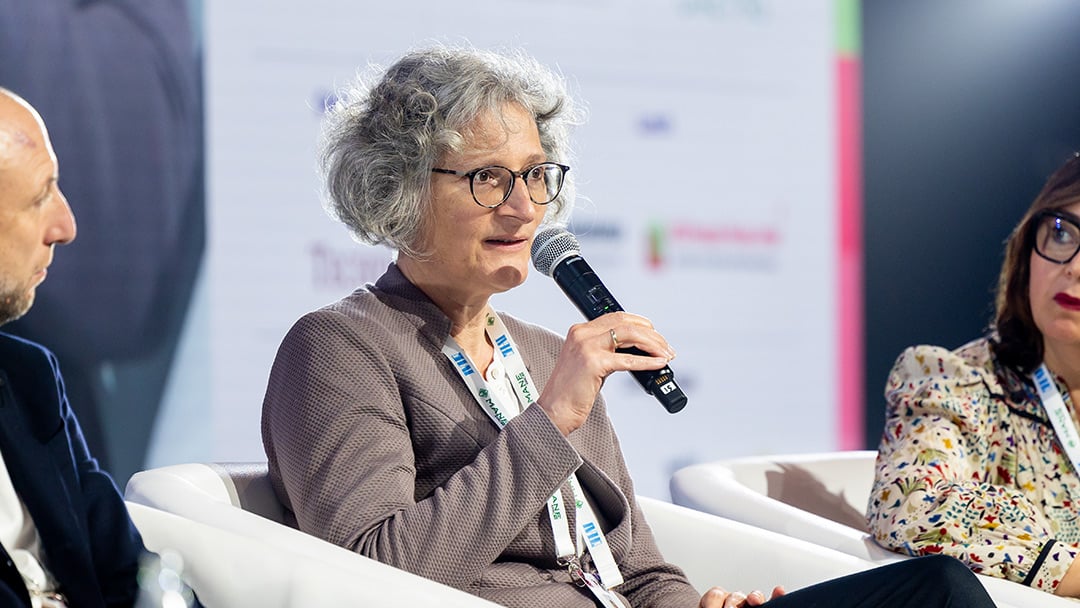
The importance of collaboration and standardisation in addressing carbon footprint emerged as a key theme. Cordula Mock-Knoblauch from BASF shared insights on the “Together for Sustainability” initiative and the development of a standardised methodology for calculating a product’s carbon footprint. She stressed the importance of third-party verification and transparency, stating that “We really have to […] have a common understanding on how this data is verified”.
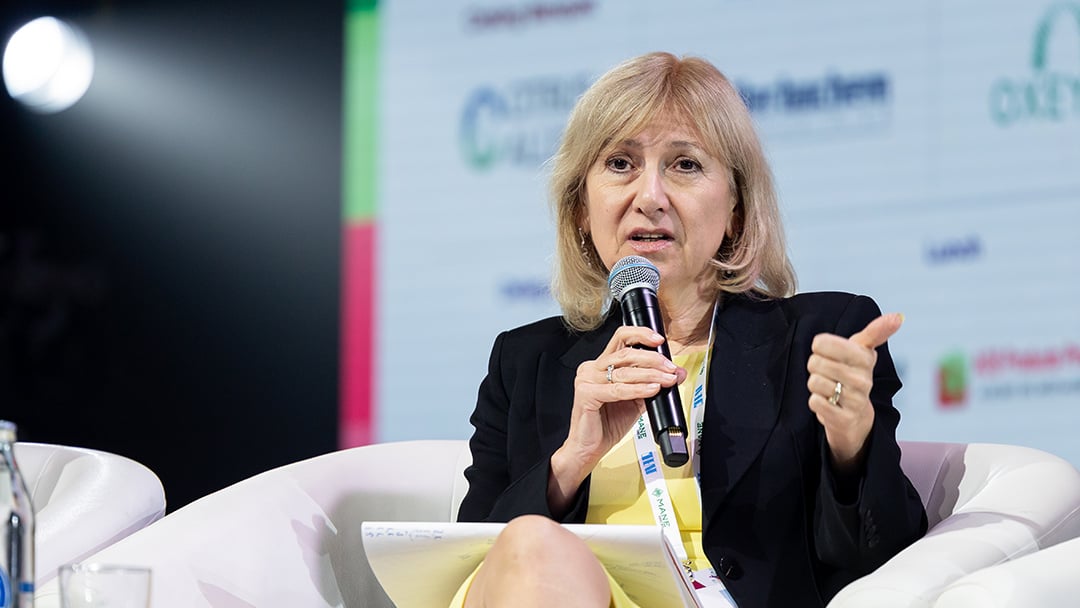
Martina Bianchini, President of IFRA, presented the IFRA Green Chemistry Compass as a tool to help companies assess and improve their sustainability performance. She acknowledged the challenges of navigating the complex landscape of sustainability initiatives, admitting that “there’s never one-size-fits-all”.
Human rights
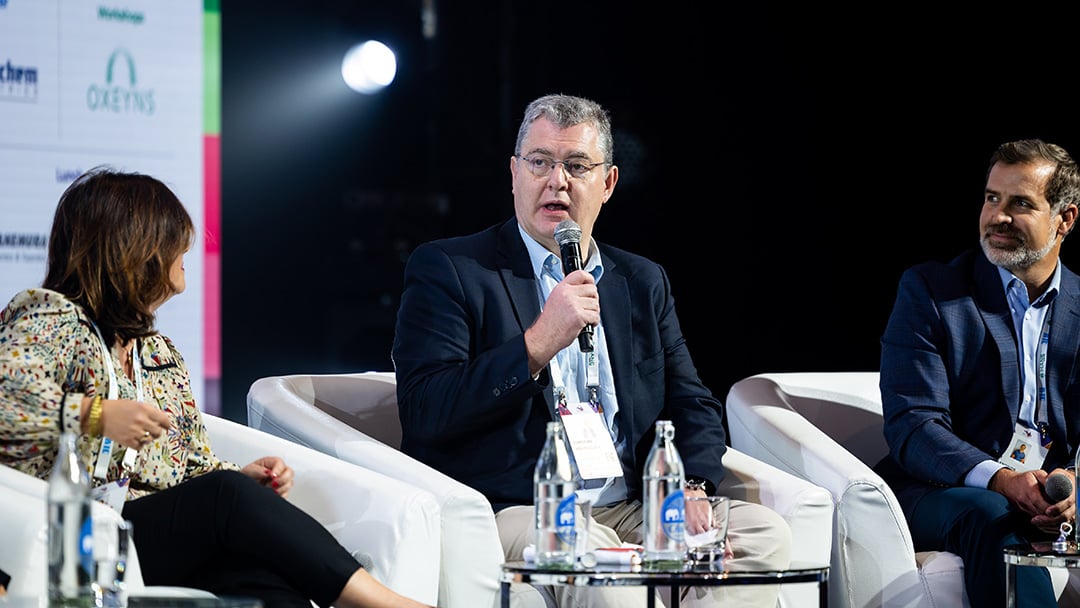
The panel’s discussion of human rights underscored the need for a more profound engagement with the social and economic dimensions of sustainability. Christian Van Osselaer from Envirium Life Sciences shared his experiences working in conflict zones, highlighting the role of responsible businesses in providing livelihoods and protecting vulnerable communities. He stressed the need for investment and collaboration to mitigate human rights risks, stating that “we really need to act”.
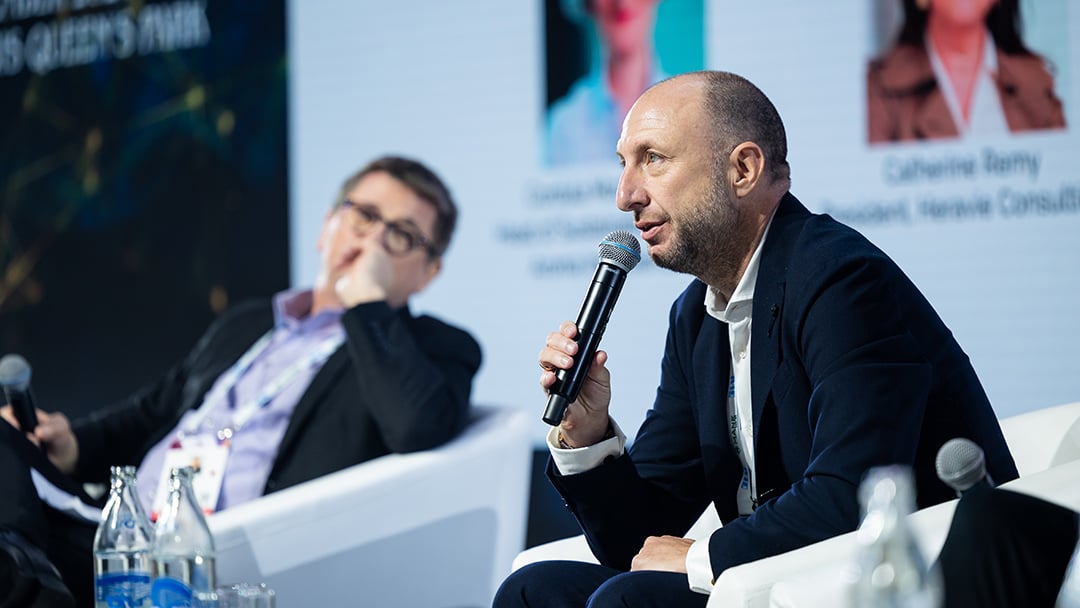
Filip Lissicharov, a producer of natural ingredients, echoed this sentiment, urging the industry to “design a model” for human rights together. He emphasised the importance of a participatory approach, stating, “I don’t want a model for human rights brought to me by anyone. I want to sit together on the table with everybody and design this model”.
Sustainability by design

In a separate session, Mitch Cooke from Port Blakely, New Zealand Essential Oils, presented a compelling case study, sharing his company’s journey in establishing a new Douglas fir (Pseudotsuga menziesii) essential oil production facility with sustainability at its core. “Our company mission is to cultivate a healthy world”, he explained, noting that this mission guides every aspect of their operations. He outlined their approach to balancing a “triple bottom line” of people, planet, and profit, highlighting their innovative plantation design, energy-efficient distillery practices, and commitment to the Forest Stewardship Council (FSC) certification.
Cooke noted the importance of plantation forests in supporting sustainability goals, observing that they “provide jobs for rural communities”, are “so important for the environment”, and offer “immense economic value”. He detailed their unique hedge design approach, which involves harvesting channels from existing Douglas fir plantations and utilising the regenerating hedges for essential oil production. This method allows them to “effectively upcycle a poor performing crop”, create a “sustainable and self-replenishing feedstock”, and act as a carbon sink.
Cooke highlighted their efforts to minimise their environmental footprint by utilising biomass from the distillation process to power their distillery, significantly reducing their reliance on fossil fuels. He also shared their plans for future sustainability initiatives, including registering their land as a permanent carbon sink under the New Zealand Emissions Trading Scheme, exploring alternative crops with local farmers, and implementing a steam turbine generator to achieve 100% renewable energy on-site.
Cooke emphasised the importance of third-party verification in validating sustainability claims, highlighting the value of the FSC certification in building consumer trust and recognition. He noted that “FSC is the world’s most trusted sustainable forestry certification,” and that “nearly half [of consumers surveyed] recognised the FSC trademark when they saw it”.
He concluded by urging the industry to take proactive steps towards sustainability, stating that “It’s our responsibility to define what sustainability looks like in your business, and commit to taking some action today”.
A Call for Collective Action
The sustainability sessions served as a powerful reminder of the industry’s shared responsibility in creating a more sustainable future. The diverse perspectives shared throughout the Conference highlighted the need for ongoing dialogue, collaboration, and innovation to address the complex challenges and capitalise on the emerging opportunities.
As the industry moves forward, there is no doubt that sustainability must be embedded into the very fabric of operations, from sourcing and production to consumer engagement and regulatory compliance. The Bangkok Conference provided a valuable platform for fostering this collective commitment, inspiring stakeholders across the value chain to embrace a more sustainable path forward.
Science and regulation
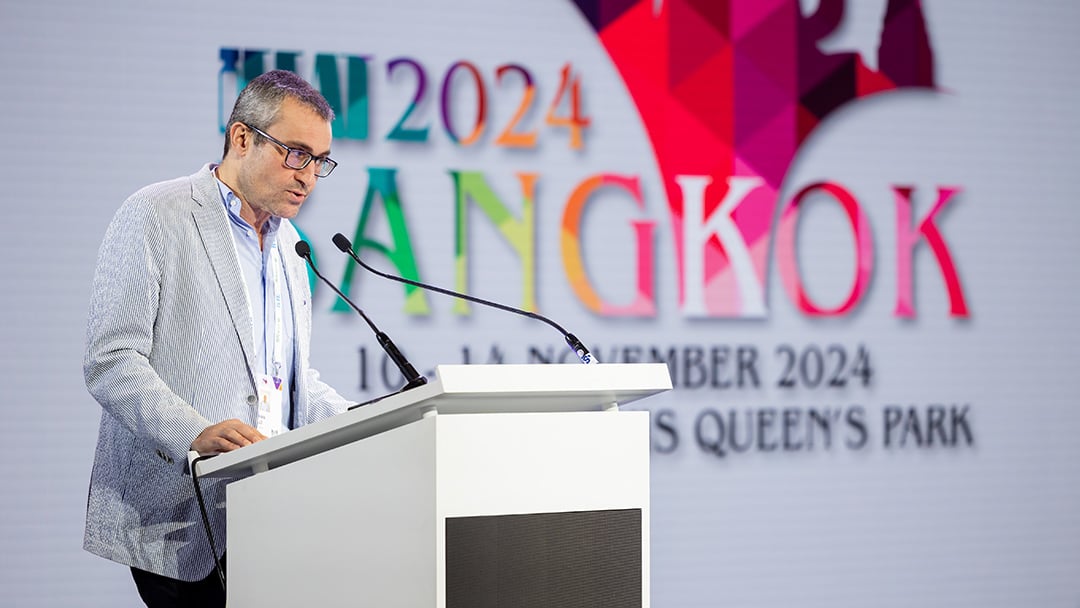
The Scientific Update session provided unique insight into the regulatory issues facing the F&F industry and the many complex challenges involved in ensuring that the regulation of essential oils is properly informed by science to serve people, planet and industry.
Though each presentation focused on a different aspect of the complex and multifaceted topic of regulation in our global industry, they all made clear the need for robust scientific evidence to ensure regulatory decisions are made properly. Communication is key – between national authorities, scientific agencies and industry, from the lab to the farm to the boardroom, and all the way to the parliament floor – it is essential that the industry engages early with policy stakeholders to ensure regulatory outcomes are properly informed.
Jonathan Bonello, IFEAT Chief Scientific Officer, welcomed attendees to the session. He highlighted the diverse topics to be covered, including updates on agricultural residues, biological activity of essential oils, olfactory receptors, human toxicology, standards development, and the classification of tea tree oil. The session would also delve into regulatory matters, focusing on IFEAT’s advocacy efforts and the IFEAT-EFEO Scientific Platform.

IFEAT Scientific Officer Sibel Erkilic Horsman then focused on the IFEAT Agricultural Residues Project, investigating plant protection products (PPPs), the regulatory approval processes they are subject to, and the importance of global harmonisation of pesticide regulation.
With an increasing global population and decreasing arable land, pesticides are indispensable in modern agriculture. Horsman highlighted the importance of pesticides for food production and the need to balance their use with environmental and human health concerns.
She presented a study that analysed the presence of PPP chemicals in various essential oils, which found that a significant number of these were not approved in the EU. She emphasised the need for global harmonisation of PPP regulations, open communication between authorities, and proactive measures to address the impact of PPP bans on the industry.
Australian native oils
Ashley Dowell, Secretary of the Essential Oil Producers Association of Australia (EOPAA), discussed the development of standards for Australian native oils. Australia has the potential to produce a vast range of essential oil products derived from its native plants, but lacks formal standardisation and clear characterisation of the chemotypic variations which can exist in natural populations.
EOPAA has undertaken a project to develop industry standards for emerging Australian native oils, which include clear definitions of the essential oils including chemotype, physical and chemical parameter specifications and chromatographic techniques. These standards are intended for use by producers, traders and consumers of Australian native oils.
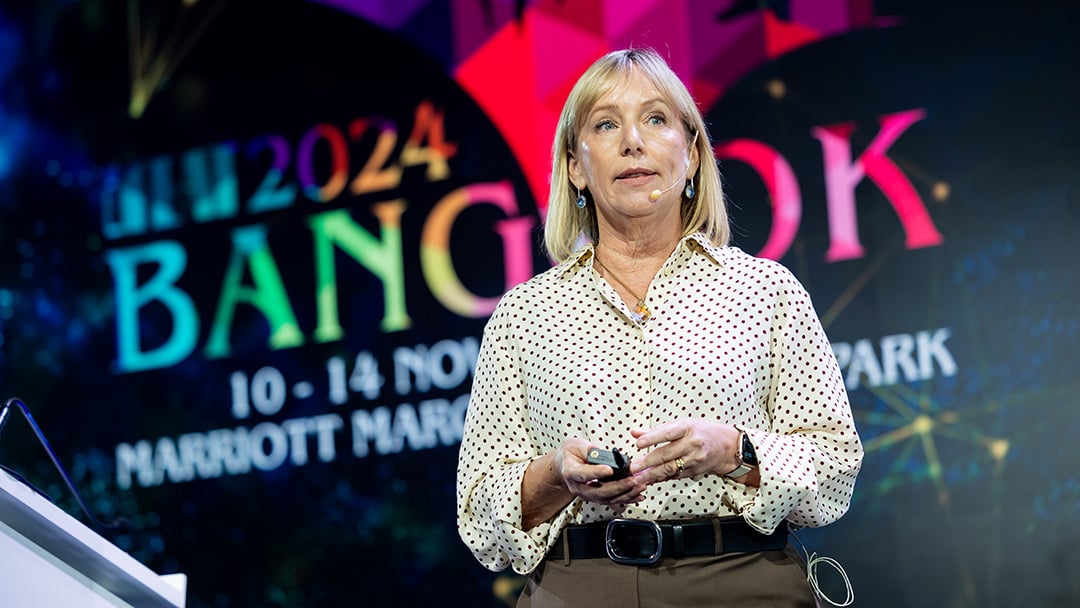
Jens-Achim Protzen, Member of the IFEAT Executive Committee, and Dee-Ann Prather Seccombe, representing the Australian Tea Tree Industry Association (ATTIA Ltd), discussed harmonised classification and labelling in the EU, including the classification of tea tree oil as a reprotoxin and the potential impact on its use in cosmetics and aromatherapy.
She outlined ATTIA’s efforts to defend tea tree oil against the EU classification, including the submission of mechanistic studies and regulatory support. She highlighted the importance of global cooperation and the need for industry support to defend essential oils against regulatory attacks.
Regulations and tribulations

Eve Davies-Tsagkadakis from FGS Global discussed IFEAT’s advocacy efforts and regulatory changes in the EU, providing a helpful overview of the CLP regulation and the derogation for natural essential oils and plant extracts, secured thanks to IFEAT’s advocacy efforts with FGS in 2024.
She explained the need for continued advocacy efforts – chiefly, the robust scientific evidence required to support the derogation. She also noted that the challenges posed by the classification of tea tree oil presented potential spillover effects on other substances.
Davies-Tsagkadakis highlighted the importance of the political context and the new European Commission’s focus on economic competitiveness. She emphasised the potential impact of future regulations such as the revision of REACH and the cosmetics products regulation, and the need for industry collaboration and early engagement with policy stakeholders to influence regulatory outcomes.
At the centre of it all is a fundamental shift in how the EU intends to treat and assess chemicals, moving from a riskbased to a hazard-based approach, she explained. Eve used a helpful analogy, noting that, in a risk-based world, a lion in a cage would be deemed safe as a managed risk, despite its inherent hazard to humans. In this new world where hazard trumps risk, the overriding concern becomes: “What if the lion escapes?”

Eric Angelini, VP Global Regulatory Affairs & Product Safety at Mane, provided an update on the joint IFEAT-EFEO Scientific Platform, which is working to gather and analyse scientific data on essential oils. He explained the complexity of the regulatory landscape and the need for a coordinated and proactive approach.
The Platform aims to provide evidence to the EU Commission and support the derogation for essential oils. The importance of data availability and the role of IFEO and IFEAT in supporting the Platform’s efforts is essential to demonstrate their distinct toxicological and environmental behaviours.
He stressed the importance of demonstrating the scientific validity of the industry’s concerns, citing evidence from REACH activities that showed differing results when testing individual components versus the complete essential oil.
Angelini discussed the need for a mechanistic approach to demonstrate the synergistic effects of essential oils, and highlighted the importance of collaboration with universities and other experts to support the Platform’s goals.
Antiviral and biocidal uses
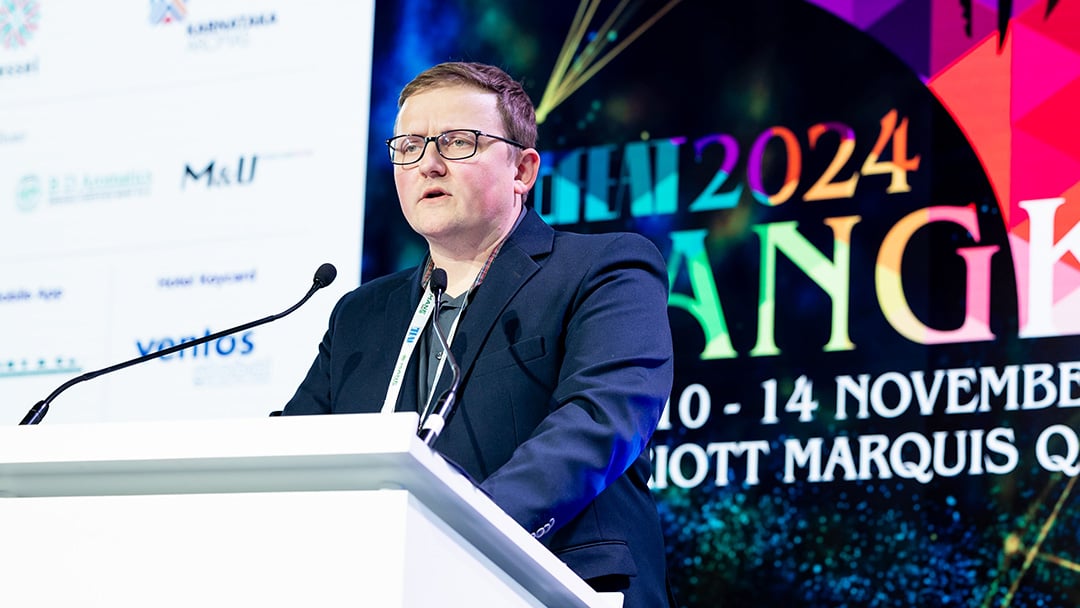
Daniel Strub Ph.D, from Wrocław University of Science and Technology in Poland, focused on the scientific validation of essential oils’ efficacy, particularly in antiviral and biocidal contexts. He detailed research conducted in collaboration with IFEAT Members and international partners, exploring the antiviral activity of essential oils against covid-19.
Strub presented data from a study involving over 500 samples, identifying promising candidates like benzoin resinoids and petitgrain mandarin. “We had two goals,” Strub explained, “to assess whether essential oils are able to disrupt the activity of two very important proteins that are produced during the covid infection, and to test the antiviral activity of the best performing materials.”
While acknowledging the low probability of these oils becoming drug-like molecules, he highlighted their potential as ingredients in mouthwashes. He also noted the impact the research paper had on the scientific community, “It was heavily discussed on social media, and our study is still the first, and only such comprehensive on this subject,” he said.
Strub also discussed the potential of essential oils as natural surface disinfectants. He noted the current lack of naturally derived substances (except ethanol) registered in this category. He presented data demonstrating the efficacy of various essential oils against a range of microorganisms, showcasing their potential as alternatives to synthetic biocides.
He also showed a model disinfectant created from a mixture of essential oils and natural surfactants, proving that essential oils can be used in functional products. He stressed the need for further standardisation and research to identify active constituents. “This publication, when it will be published, is only the beginning. The next step is to work with the IFEAT Members, and interested stakeholders, because standardisation is required,” he concluded.

Citrus: a complex global market
The citrus industry is facing a confluence of challenges, from climate volatility and disease to regulatory hurdles and shifting consumer demand.
On the final day in Bangkok, a round-the-world tour of citrus-producing regions followed by a lively panel discussion and Q&A provided the platform for industry leaders to discuss challenges and explore potential solutions, highlighting the need for collaboration, innovation, and a long-term perspective to ensure the continued success of this vital sector.
The Mediterranean
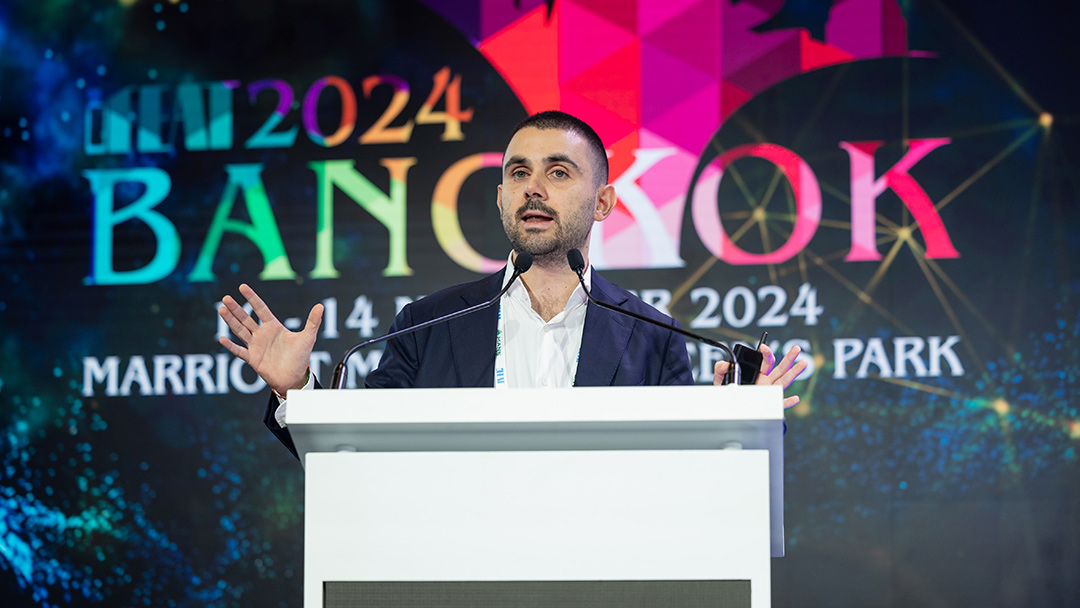
Felice Chirico, co-owner and CEO of Agrumaria Reggina, presented a nuanced picture of the Mediterranean citrus industry, highlighting the region’s unique strengths and vulnerabilities. He emphasised the diversity of citrus production in the region, with Spain and Italy leading the way in orange cultivation, while Türkiye dominates the region’s lemon market. However, the industry faces challenges from climate volatility, with drought and extreme weather events impacting yields and fruit quality.
“In Spain”, Chirico began, “heavy rains and drought led to a reduction in fruit size”, – meanwhile in Morocco, heavy drought has impacted mandarin production. These challenges underscore the need for sustainable water management practices and resilient agricultural systems to adapt to the changing climate.
Chirico also highlighted the fragmented nature of the Mediterranean citrus processing sector, particularly in orange production. “The high number of processing companies is decreasing the competitiveness of the industry”, he argued, calling for consolidation and strategic alliances to strengthen the sector’s position in the global market.
He stressed the need for a “risk diversification approach” and greater collaboration between producers and processors to ensure the long-term viability of the Mediterranean citrus industry.
Mexico

Sigifredo Gudiño, Managing Director of Citrojugo, provided a detailed overview of the Mexican citrus industry, highlighting its global significance as the world’s leading exporter of limes. The industry faces significant challenges from Huánglóngbìng (HLB) – also known as citrus greening disease – and climate change.
“HLB remains a concern”, Gudiño acknowledged, while also highlighting the industry’s success in managing the disease in limes through the development of natural treatments and proactive management strategies.
Climate change, particularly drought, poses another major threat to Mexican citrus production. “Mexico experienced its driest year in the last decade”, Gudiño noted. He highlighted the importance of investing in sustainable water management practices, such as high-tech irrigation systems, to mitigate the impact of drought and ensure the long-term resilience of the industry.
Brazil
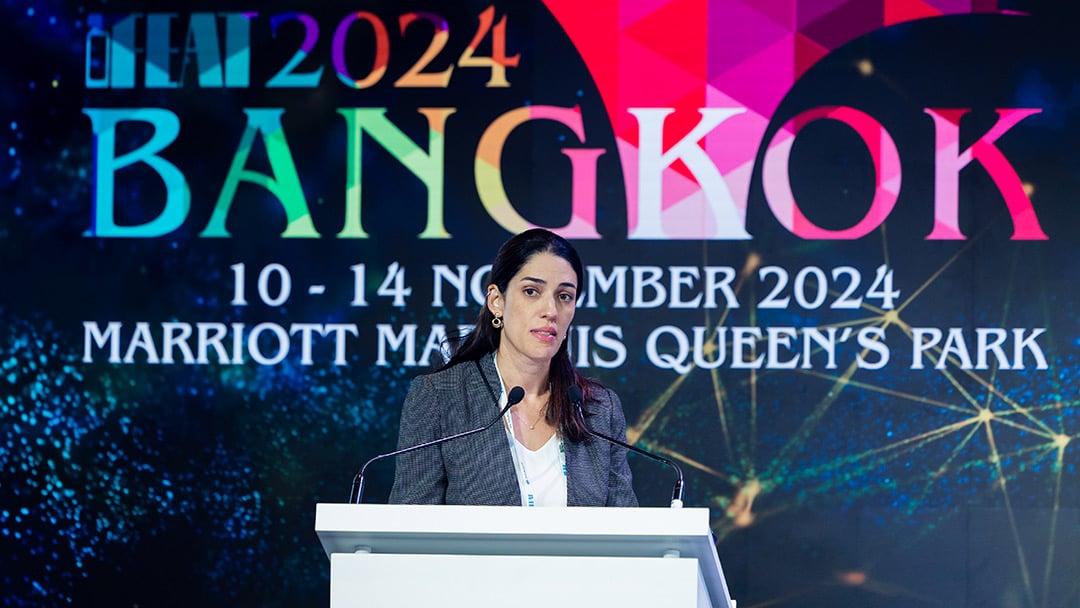
Monica Bonafin, Commercial Manager at the Louis Dreyfus Company, presented a comprehensive analysis of the Brazilian orange industry. Brazil is the world’s largest producer of orange juice and essential oils.
The industry is facing a severe crisis due to the combined impact of HLB disease and climate change. “Brazil is going through a tough, tough moment”, Bonafin acknowledged, while also celebrating the industry’s resilience and commitment to innovation.
HLB has caused a significant decline in orange production, leading to soaring prices and concerns about future supply. “There’s no question about a reduction in supply”, Bonafin stated, highlighting the 20% decrease in essential oil production in the past season. The industry is responding to this challenge through a combination of strategies, including expanding citrus cultivation to new regions with lower HLB incidence and investing in irrigation infrastructure to mitigate the impact of drought.
Bonafin also discussed the impact of these challenges on the quality of essential oils, particularly the decline in aldehyde levels. “We’ve seen a trend down”, she reported, attributing this decline to climate change and the need to harvest fruit earlier due to HLB.
Despite these challenges, Bonafin expressed optimism about the future of the Brazilian citrus industry, citing the significant investments being made in new plantings and sustainable practices.
Japan

Kenji Yagi from Takasago International Corporation provided insights into the Japanese citrus market, describing the unique challenges and opportunities facing the region.
He discussed the impact of rising import costs on orange consumption, noting that “orange oil import volume tends to decrease as the unit price increases”. This trend underscores the need for the Japanese citrus industry to adapt to a changing global market and explore new strategies to ensure its competitiveness.
Yagi also highlighted the importance of domestic citrus varieties, such as unshu mikan (Citrus unshiu) – also known as Japanese mandarin – and Yuzu (Citrus × junos), in meeting consumer demand and diversifying the industry’s offerings. He stressed the need for collaboration across the value chain to address challenges and capitalise on opportunities.
The Roundtable
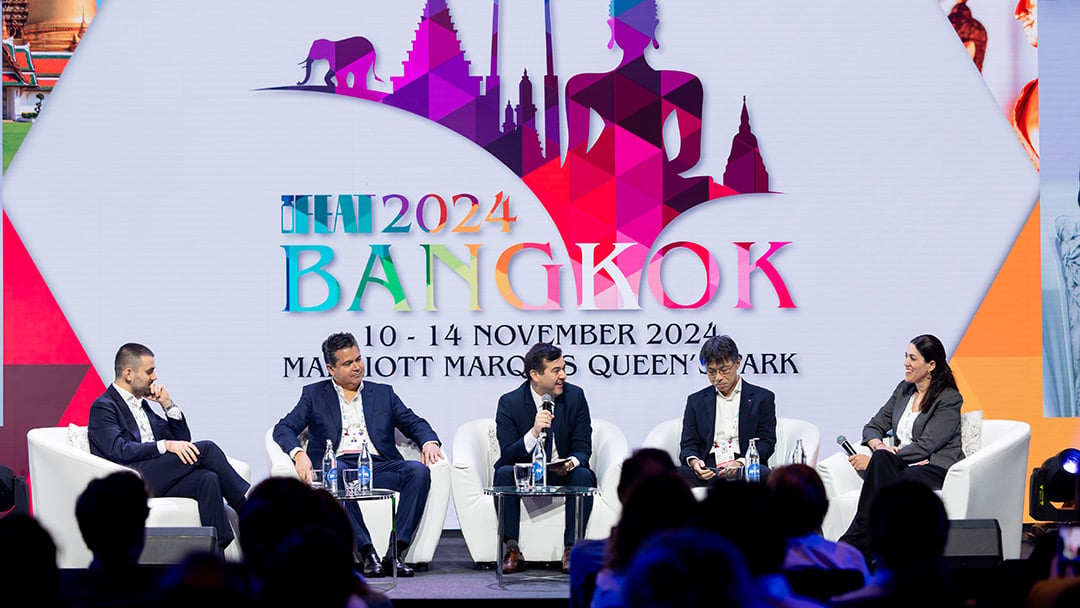
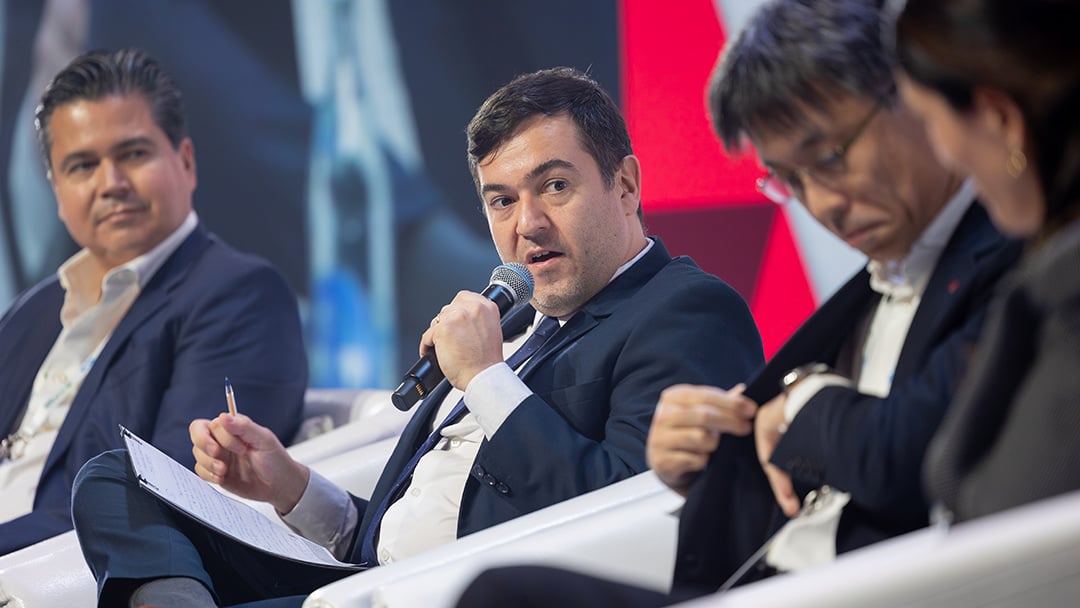
The conference culminated in a dynamic roundtable discussion moderated by Sergio Dávalos – Marketing Director at Cota Ltda, Argentina, and Member of the IFEAT Executive Committee. The discussion brought together the speakers to delve deeper into the challenges and opportunities facing the citrus industry, fostering a lively exchange of ideas and perspectives.
HLB remained a central concern, with Chirico highlighting the threat it poses to the Mediterranean region despite the absence of confirmed cases. Gudiño shared Mexico’s experience in managing HLB in limes, emphasising the importance of proactive measures and industry collaboration. Bonafin discussed Brazil’s efforts to control the disease, including new planting strategies and research into natural solutions.
Climate change was another key topic, with speakers discussing the need for sustainable practices and investments in irrigation infrastructure to mitigate the impact of drought and extreme weather events. The discussion also highlighted the social and economic consequences of industry consolidation, particularly for small-scale growers.
Looking ahead, the panellists expressed optimism about the future of the citrus industry, citing the continued strong demand for citrus products and the industry’s commitment to innovation and sustainability. The roundtable concluded with a call for greater collaboration across the value chain to address the challenges and capitalise on the opportunities presented by the evolving global citrus market.
A Call to Action
The session provided a valuable platform for stakeholders in the citrus industry to discuss the complex challenges and potential solutions facing this vital sector. The presentations and discussions highlighted the need for a multifaceted approach, encompassing sustainable water management practices, innovative disease control strategies, and greater collaboration across the value chain.
It also underscored the importance of consumer education and engagement in promoting the value of citrus products and supporting sustainable practices. The panellists agreed – by working together, the citrus industry can navigate these challenging times and ensure a resilient and thriving future for this essential sector.
Socials and Entertainment


IFEAT Dinner
Always a special night, this year’s IFEAT Dinner, sponsored by Herbochem Industries, did not disappoint. Guests were treated to an unforgettable moonlit cruise along the Chao Phraya River.

There was dancing, music, great food and even better company!

A spectacular drone show capped off the evening – 300 dancing lights synchronised in the Bangkok night sky for a display celebrating IFEAT, essential oils and our beautiful host city.
Young IFEATians

A first for IFEAT, the Young IFEATians evening event gave younger Members the chance to meet both with their peers and more experienced potential mentors, creating connections around the world to be nurtured throughout their long careers ahead.
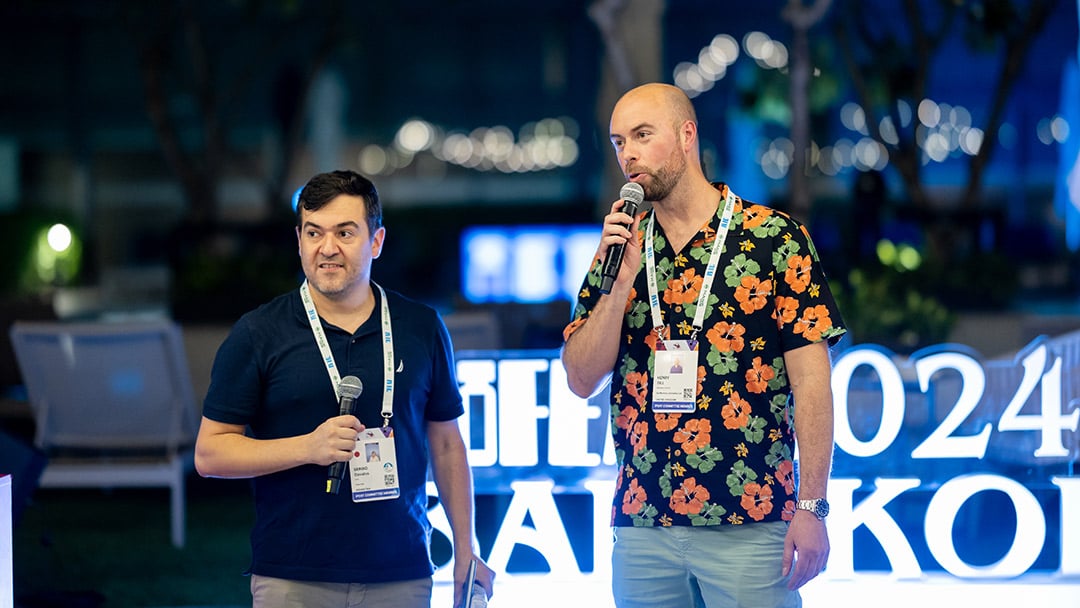
The poolside event was fantastically well attended, with IFEAT Executive Committee Members Sergio Dávalos and Henry Gill presiding over a lighthearted networking team exercise, where groups came up with creative solutions to industry case studies.

There was dancing well into the warm Bangkok night, with a DJ and MC providing the party atmosphere to welcome and celebrate IFEAT’s newer Members. The perfect launch for an initiative sure to become a Conference staple.
The Closing Banquet

The event reached its finale with a phenomenal Closing Banquet at the neighbouring EmSphere venue. Delegates were welcomed first by a bespoke array of Thai food stalls and performances showcasing the diverse regional cuisines and traditional folk dances, music and stories from across Thailand.

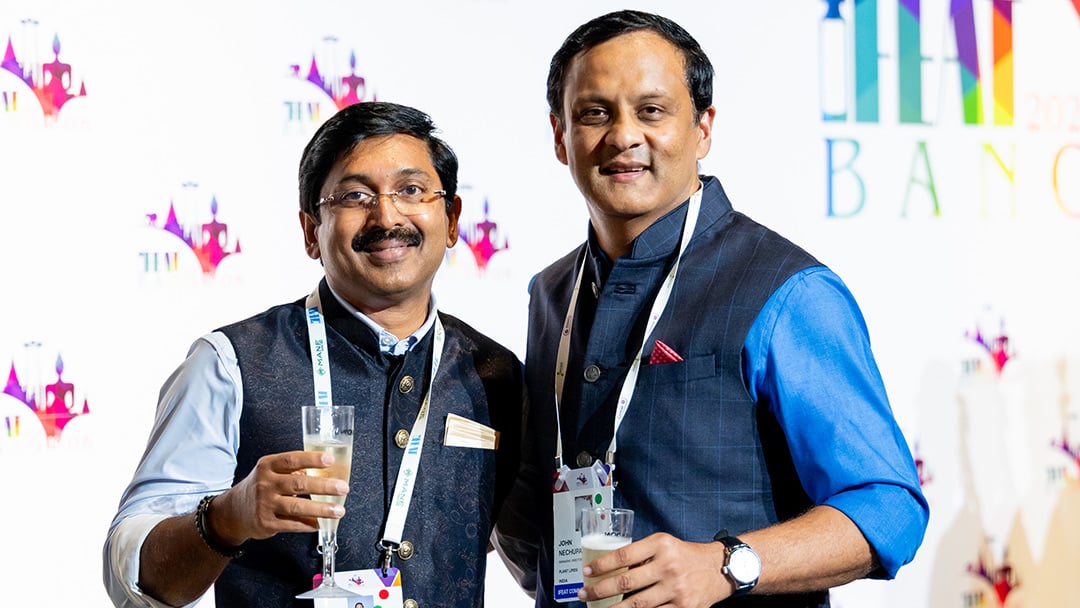
This fitting celebration of our host country’s unique culture and hospitality was topped off with a series of breathtaking performances from Thai dance and musical troupes in the beautifully appointed main hall.


Delegates were then treated to yet more wonderful pan-Asian food, before filling the dancefloor in celebration of an unforgettable Conference, then bidding fond farewells to colleagues and friends, new and old, until next time.

IFEAT 2026 Bangkok Conference Proceedings
View the full video proceedings here (available to IFEAT Members only)