
In partnership since 2023
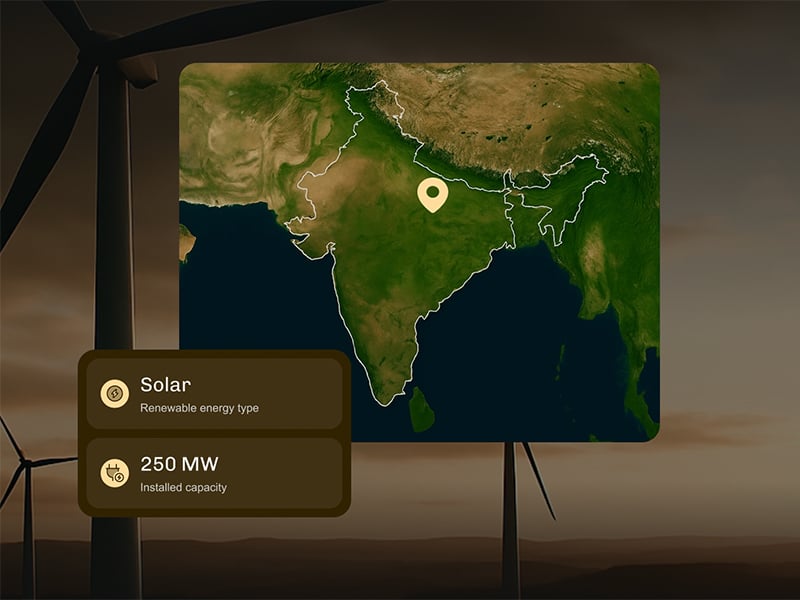
On the occasion of the 2023 IFEAT Conference in Berlin, IFEAT partnered with Green Future Project to calculate the event’s carbon footprint and identify the emissions associated with the conference. The analysis estimated a total of 3,143 tonnes of CO₂ equivalent, and to balance this impact, IFEAT chose to support the Mahindra Solar Project in India, generating 3,143 VERRA-certified carbon credits.
Mahindra Solar Project in India
This renewable energy initiative supports the generation of clean solar power, helping to reduce dependence on fossil fuels and contributing to long-term climate mitigation. Beyond its environmental benefits, the project also promotes local community engagement, aiming to enhance energy efficiency, create positive socio-economic impact, and support a just and sustainable energy transition.
2024: Strengthening the approach at the Bangkok Conference
At the IFEAT 2024 Bangkok Conference, we repeated the carbon footprint calculation to ensure consistency with the 2023 pilot project and to begin building a reliable year-on-year dataset.
This continuity enables IFEAT to:
- Compare results across different editions
- Identify recurring emission hotspots
- Evaluate the effectiveness of sustainability initiativesStart developing a long-term framework for more sustainable events.
By collecting accurate and consistent data, IFEAT is laying the foundations for a measurable and accountable sustainability strategy.
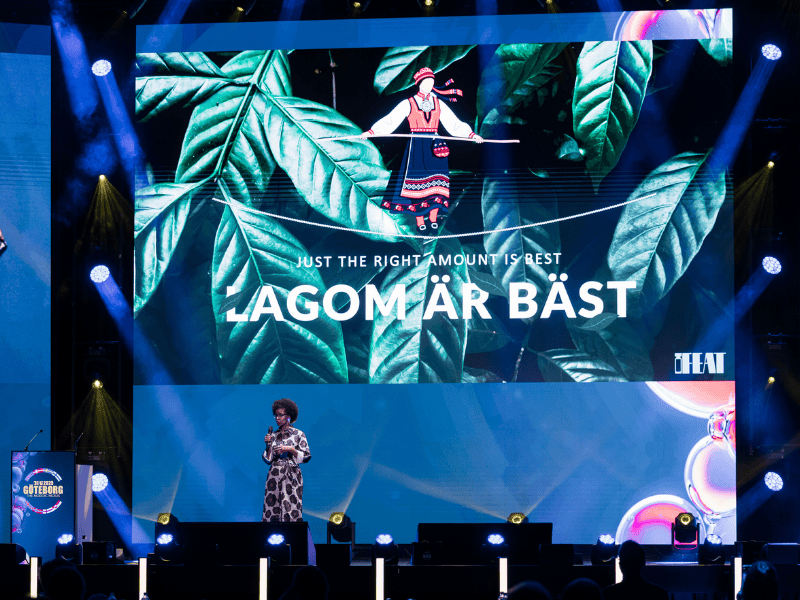
2025: Building internal capacity at the Göteborg Conference
In 2025, at the Göteborg Conference, IFEAT entered the next phase of its sustainability journey.
Green Future Project began training IFEAT’s Executive Committee to use the same carbon footprint software applied in Berlin and Bangkok, enabling the Federation to take the lead in managing future assessments independently.
Data collection for Göteborg focused on identifying the key sources of emissions and understanding where reductions can be meaningfully implemented. The assessment will be finalised once all relevant information has been gathered and consolidated.
This transition marks an important evolution: from external assessment to internal capability-building, ensuring long-term continuity and ownership of IFEAT’s sustainability efforts.
Beyond measurement: a comprehensive strategy for sustainable events
Carbon offset represents only one part of IFEAT’s broader Conference sustainability efforts.
The sustainability team is actively working to measure the emissions of IFEAT’s Annual Conferences around the world, with the goal of developing a dedicated framework for creating sustainable events. This approach enables IFEAT to identify effective initiatives to reduce event-related emissions wherever possible and to compensate for those that are unavoidable and essential to the event’s delivery.

View this post on Instagram